- 01-27-2026
- 0
Everything You Need to Know About Energy Storage Safety
Energy storage is no longer a distant idea found only in power plants or research laboratories. Today, batteries power homes, stabilize businesses, and support entire neighborhoods through the grid. This development makes life more convenient, but at the same time requires greater attention to safety. Energy storage is powerful, compact, and sometimes sensitive. Following safety rules ensures it remains a reliable partner for clean energy and does not turn into a hidden risk.
The Importance of Safety in Energy Storage
Every electrical device – large or small – carries a certain level of risk. Energy storage systems, due to their size and energy density, amplify this reality. As their adoption grows, safety becomes even more critical.
Home systems are directly connected to daily life and are often installed near living spaces.
Businesses rely on energy storage to protect equipment, meaning an accident could disrupt operations and cause financial damage.
Grid-scale projects serve thousands of people, so public confidence depends on visible safety standards.
Energy storage safety is not only about protecting equipment. It safeguards the people living next to these systems, the families relying on them at night, and communities seeking clean energy without fear. This commitment is reflected in strong home energy storage safety standards.
Safe Design and Installation of Energy Storage Systems
A safe system begins long before the first battery is switched on. Planning, certification, installation, and cooling play decisive roles.
Proper System Sizing and Layout
Poorly matched systems are more likely to overheat and degrade quickly.
Capacity matching: systems should meet both daily consumption and peak load demands.
Spacing: must follow manufacturer instructions and local regulations. Fixed systems are typically required to maintain at least 90 cm (3 feet) between units and from building openings.
Layout: batteries should not be stacked unless explicitly allowed by design.
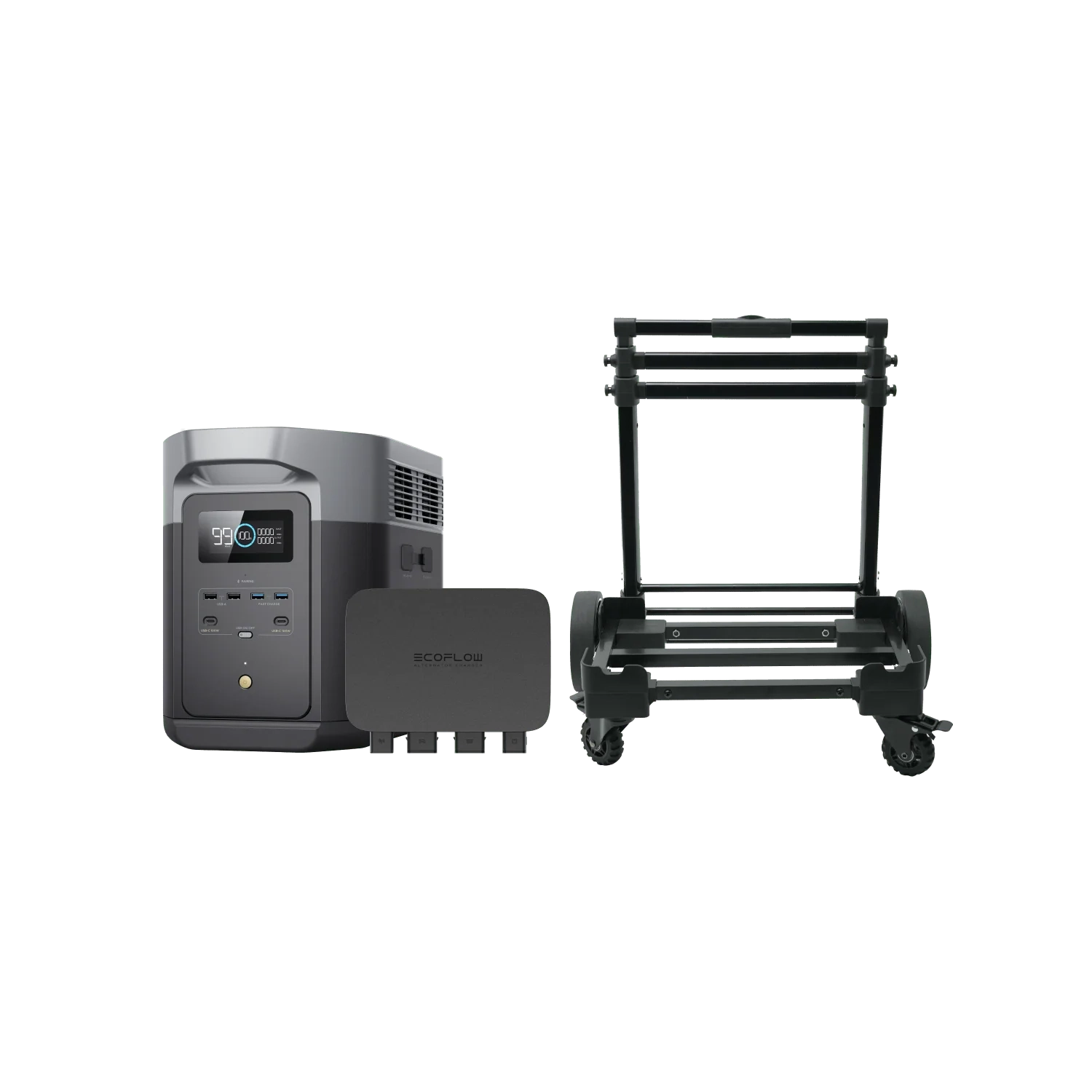
For apartments or homes with limited space, modular systems such as EcoFlow DELTA 2 Max offer expandable capacity from 2 kWh to 6 kWh without requiring complex installations. This flexibility helps balance safety and efficiency.
Ventilation and Cooling Options
Even the most efficient lithium-ion batteries release heat during use. Cooling is not optional — it is essential.
| Cooling Method | How It Works | Best Use Case |
|---|---|---|
| Passive airflow | Natural ventilation and spacing | Small home systems |
| Active airflow | Fans and air ducts | Medium-sized enclosed spaces |
| Liquid cooling | Coolant pipes absorb heat | High-density commercial systems |
| HVAC integration | Room-level air conditioning | Grid-scale and large building projects |
Systems equipped with active cooling and smart sensors automatically stop charging if safety temperature thresholds are exceeded.
The Role of Fire Suppression Systems
Fire is a rare but critical risk.
Sprinkler systems can contain flames.
Clean-agent suppression systems reduce damage to electronics.
Portable fire extinguishers should be nearby, and staff trained to use them properly.
A fire safety plan is incomplete without suppression equipment.
Importance of Professional Installation
Even high-quality batteries can fail if installed incorrectly. Certified electricians understand cable sizing, grounding, and protective fuses. For businesses, professional installation certificates also satisfy insurance requirements.
Common Safety Risks in Energy Storage
Even with the best preparation, risks exist.
Thermal Runaway and Fire Risk
Overheating of a single cell can trigger a chain reaction.
Causes: overcharging, poor ventilation, manufacturing defects
Spread: one failing cell heats neighboring cells
Result: uncontrolled fire and toxic gases
Modern designs reduce this risk, but awareness remains essential.
Electrical and Mechanical Risks
Short circuits may cause sparks
Dropping a heavy battery may cause internal damage
Uneven cable lengths can stress the system
Chemical and Environmental Risks
Electrolyte leaks can irritate skin and eyes
Improper disposal may contaminate soil and water
Daily Use and Emergency Preparedness
Weekly visual inspections
Real-time monitoring via control panels
Safe charging habits
Emergency response instructions
Stay Safe with Energy Storage
Energy storage is not something to fear. With proper planning and simple practices, systems operate quietly in the background — protecting homes during power outages and supporting businesses during peak loads. Safety is not an extra feature — it is the reason this technology improves daily life.