
- 02-04-2026
- 0
Common Mistakes Farmers Make When Using a Manual Sprayer Pump
Manual sprayers are widely used in agriculture and are considered an affordable and effective way to apply pesticides, herbicides, and fertilizers. However, when used improperly, this equipment can lead to ineffective application, waste of resources, and even health risks. Understanding these common mistakes and how to prevent them helps farmers maximize both efficiency and safety.
Incorrect mixing ratios
One of the most common mistakes farmers make is incorrect measurement and mixing of the spray solution. Using excessive amounts of pesticides can damage crops and harm the environment, while insufficient amounts make the treatment ineffective.
To avoid this, always follow the manufacturer’s instructions and use appropriate measuring tools such as graduated cylinders or measuring containers. Mix the solution thoroughly to ensure even distribution of chemicals.
Incorrect selection of spray nozzle (nozzle)
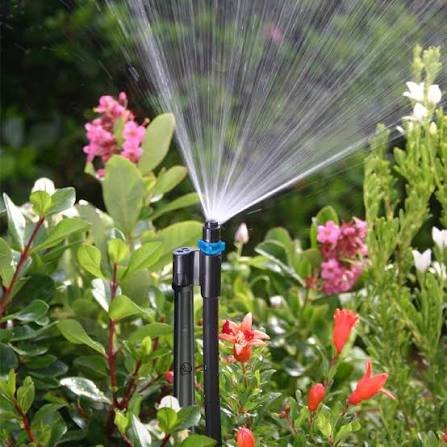
Different nozzles produce different spray patterns and droplet sizes. Choosing the wrong nozzle can result in uneven coverage, chemical losses, and drift, causing unintended harm to the environment.
Select the nozzle based on the type of chemical used, the target area, and weather conditions. To maintain accuracy, regularly inspect and replace worn nozzles.
Unstable pump pressure
A manual sprayer requires stable pressure for uniform spraying. Pressure fluctuations can lead to uneven application and excessive use of chemicals.
To ensure this, maintain a rhythmic and steady pumping motion. If your pump is equipped with a pressure gauge, make sure the pressure remains within the recommended range.
Lack of equipment maintenance
Failure to clean and maintain a manual knapsack sprayer over time leads to clogging, leaks, and reduced efficiency.
After each use, especially when switching to different chemicals, thoroughly clean the pump. Regularly inspect and replace worn parts such as seals, gaskets, and nozzles.
Spraying in unfavorable weather conditions
Weather conditions play an important role in spraying effectiveness. In windy weather, spray drift occurs and chemicals may spread to unintended areas. During heavy rain, substances can be washed away before taking effect.
For best results, spray in calm and dry weather. Avoid spraying under direct sunlight, as high temperatures cause rapid evaporation and reduce effectiveness.
Overlapping or missing spray patterns
Uneven coverage weakens pest and weed control. Overlapping spray patterns lead to excessive chemical application, while gaps create conditions for pests to develop.
To avoid this, follow a consistent spraying technique, maintaining a constant distance and speed. Use markers or visual guides to ensure even coverage.
Not using personal protective equipment (PPE)
Working with chemicals without protective equipment poses serious health risks, including skin irritation, respiratory problems, and eye damage.
When using a manual knapsack sprayer, always wear gloves, a mask, eye protection, and long-sleeved clothing. Read the PPE recommendations on the product label and follow safety guidelines.
Improper storage of sprayers
Storing a battery-powered sprayer with leftover chemicals or without proper cleaning can lead to corrosion and contamination, reducing the lifespan of the equipment.
After each use, completely empty and clean the pump. Store the equipment in a dry, well-ventilated place away from direct sunlight.
Ignoring calibration
Calibration ensures that a manual knapsack sprayer delivers the correct amount of chemicals per unit area. An uncalibrated pump can result in either overuse of chemicals or insufficient application, reducing effectiveness.
Regularly calibrate the pump by measuring the output volume over a specific time or distance. This helps maintain accuracy and efficiency.
Choosing the wrong type of sprayer
Using a manual pump instead of a battery-powered sprayer that is more suitable for large areas can result in inefficiency and excessive physical effort. Choosing the right option between a mechanical knapsack sprayer and a battery-powered sprayer improves productivity and effectiveness.
Conclusion
By avoiding these common mistakes, farmers can increase efficiency, reduce waste, and improve safety when using a manual sprayer. Proper operation and regular maintenance ensure effective application, ultimately leading to healthier crops and more sustainable agriculture.