- 05-21-2026
- 0
What are pruning shears used for?
What are pruning shears?
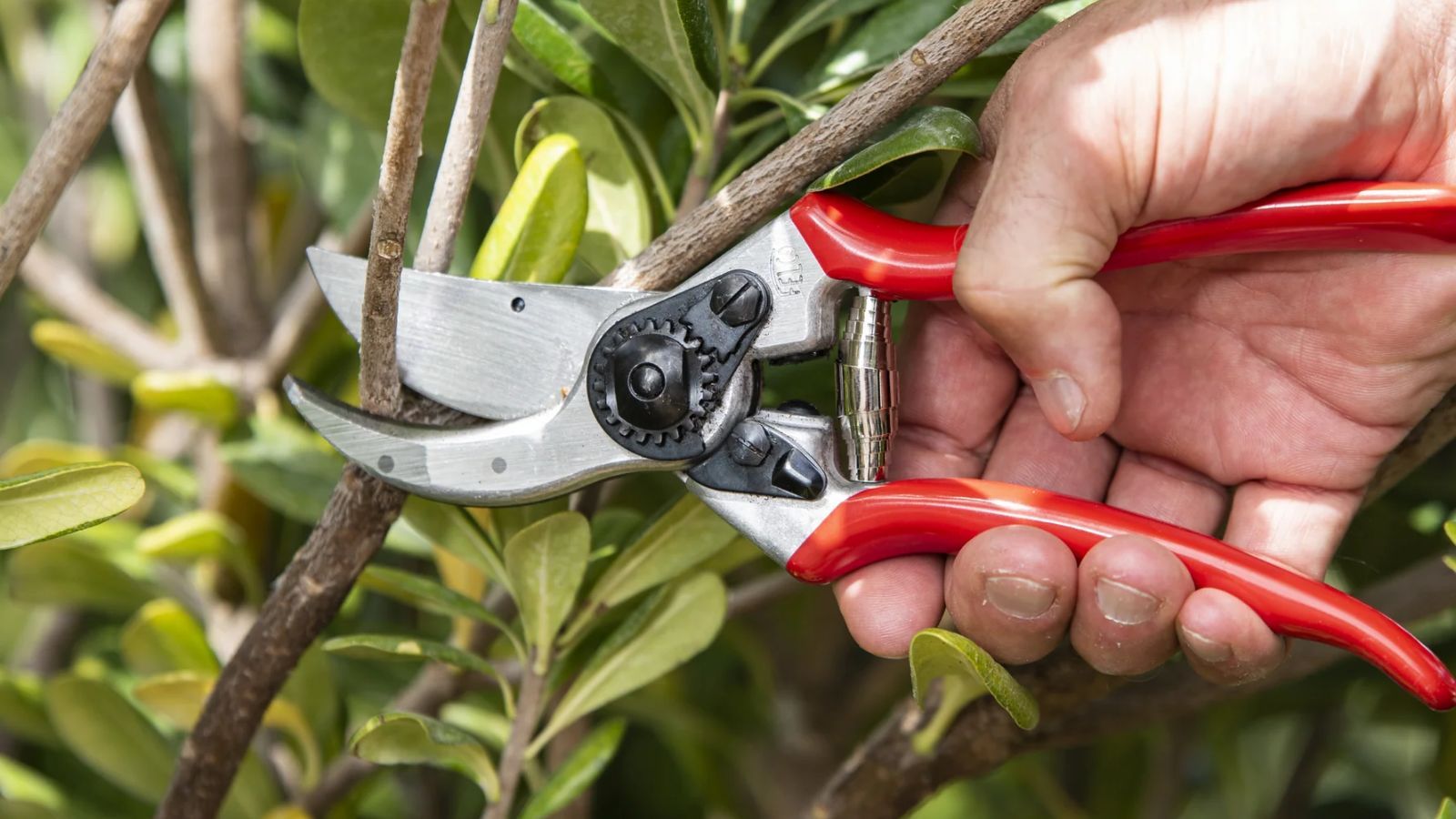
Pruning shears, also known as hand pruning shears or secateurs, are specialized hand tools. Cutting live or dead plant material up to 1 inch thick is the gardener’s specific task. They make these tools significantly stronger and more precise than ordinary household scissors. They are designed to cut woody, fibrous stems without crushing them. You use them for general cleanup, shaping, and also detailed work in your landscape or vegetable beds. Their main purpose is to make clean and efficient cuts so that the plant can heal.
How Do Pruning Shears Work?
Pruning shears work using the principle of compound leverage. They use a pivot point located closer to the blades than to the handles. This design means that the small squeezing force you apply to the handles is significantly amplified at the blades. This mechanical advantage allows you to cut branches that you would never be able to break or cut with simple scissors. The handles are longer to provide maximum leverage and allow the blades to move effectively against each other. This motion creates a clean cut, which is essential for plant health. Without this leverage, you would quickly tire or crush plant material instead of cutting it cleanly.
Important Parts of Pruning Shears
All shears look similar, but understanding each part helps you maintain and repair them.
Blades – These are the heart of the shears and the cutting part. They must be made of strong, hardened steel to maintain a sharp cutting edge: the cutting blade and the lower blade fit together perfectly.
Pivot – This is the screw or bolt that connects the two halves of the shears. It is the central pin around which the blades rotate. Pressure on this pivot is very important; it must be tight enough to ensure clean blade contact while remaining properly adjusted for smooth operation. You should check and lubricate this part regularly.
Handle – This is the part you hold. They are designed for comfort and strength. They are often coated with rubber or soft plastic to reduce strain and prevent blisters on your hands. Many shears come with finger guards or curved shapes for better grip.
Spring – The spring is essential for reducing the effort required to operate the shears. It is located between the handles and automatically forces them open after each cut. This saves your hand muscles from the effort of manually reopening the shears and makes repetitive work easier and faster.
Common Blade Types of Pruning Shears
Bypass Pruning Shears
These are the most common type. They have two curved blades that slide past each other. Gardeners use them to cut live, green stems and branches. The bypass action ensures a smooth, precise cut and allows the plant to heal quickly. Bypass shears should always be used on live wood to avoid damaging the plant’s vascular system.
Anvil Pruning Shears
These shears have a straight, sharp blade that cuts against a flat base made of softer material. This cutting action happens against a flat surface and provides a precise cut. Anvil shears apply more crushing force and are ideal for cutting dead, dry, or very hard wood. They should not be used on delicate green stems, as they can damage the remaining parts of the plant.
Ratchet Pruning Shears
These are a special type of anvil shears. They use a mechanism that allows you to cut a thick branch in several steps or clicks. You squeeze until it locks, open your hand slightly, and squeeze again. This increases your cutting power and makes them excellent for gardeners with weak hands or for very thick, woody material that would be too large for normal shears.
2. What Are Pruning Shears Used For
What are pruning shears used for? Knowing their specific tasks helps you understand how to use them in all parts of gardening.
Pruning and Shaping Plants
You use shears to control the size and appearance of plants. For example, cutting back annual flowers to encourage regrowth. You can prune hedges and small shrubs to maintain a nice shape. This pruning is not just cosmetic; it controls the plant’s energy. You cut the tip of a branch and remove the growth point. The plant then redirects energy to side shoots, becoming fuller and bushier. This delicate work is done with pruning shears and requires a clean, precise cut.
Cutting Dead or Diseased Branches
One of the main functions of pruning shears is removing dead or diseased branches. Dead wood is a weak point and attracts more pests. You must immediately cut diseased wood to prevent contamination of the rest of the plant or other plants in your garden. You should cut several inches into healthy wood to ensure complete removal of the damaged area. You must then clean and disinfect your shears immediately to prevent the spread of disease. This is an important practice that ensures the long-term health of the entire garden.
Encouraging New Growth
Pruning shears are used to rejuvenate old, woody plants. Removing old stems causes the plant to produce new shoots from the base or lower nodes. This regrowth usually occurs in flowering shrubs, including roses and berry bushes that produce the most fruit or flowers on new wood. This practice keeps plants vigorous and produces high annual yields.
Harvesting Fruits and Vegetables
Harvesting with shears is a gentle method that protects your crops. You do not pull ripe vegetables; you cut them with shears. This helps prevent damage to the main stem, which supports future fruit growth. Pruning also produces a cleaner and more attractive harvest and helps keep the plant healthy so it can produce more crops.
Training Plants
Gardeners use pruning shears to guide vines and young trees. You should cut unwanted growth and leave only the branches that follow the desired structure. You then ensure that sunlight reaches all parts of the plant and that branches are strong enough to carry heavy fruit loads later on.
3. How to Choose Pruning Shears
To choose the right tool, it is important to fully understand the criteria for selecting pruning shears.
Garden Size Matters – The size of your gardening area determines the tools you need.
Apartment Balcony – You will mainly cut soft stems and small decorative plants. All you need is a lightweight, small hand pruner.
Suburban Yard – You will have shrubs, small trees, and flower beds that return every year. You need a mix: a good hand pruner and a long-handled cutter for thicker cuts.
Community Garden – You share work and space. Durability is key. Look for mid-range, strong bypass shears suitable for daily use.
Agricultural Fields – For large-scale pruning, hand fatigue becomes a major issue. Use cordless pruning shears or other electric options to save time and effort.
Types of Pruning Shears
Corded Pruning Shears
These are powerful and reliable, but the cord is a major limitation. The cord length restricts your movement, and you risk cutting the cord. Gardeners rarely use these for manual pruning, but they are sometimes used in special heavy-duty situations.
Cordless Pruning Shears
Cordless pruning shears are battery-powered and have become the preferred choice for many serious gardeners. They significantly reduce the muscle effort required for cutting. You simply press the trigger and the motor does the cutting. Newbeny Pruning Shears offer lightweight, powerful, rechargeable high-quality cordless pruning shears.
Gas-powered pruning shears
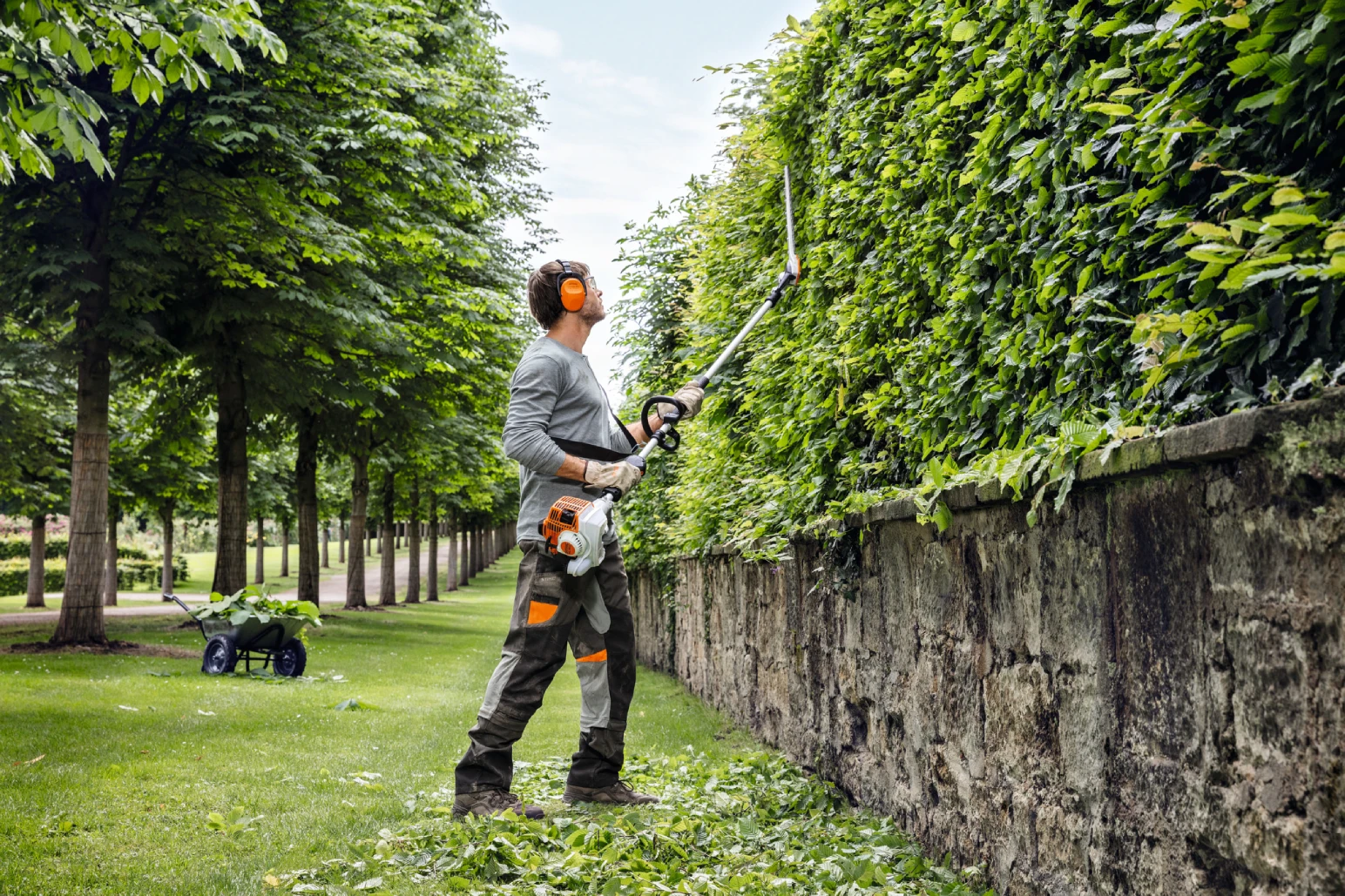
Gas-powered pruning shears are heavy-duty cutting tools. They are generally larger and more powerful, often resembling a small, heavy cutting device. You can use these pruning shears to clear thick, overgrown shrubs and woody material. They require fuel and regular maintenance and are usually designed for large areas.
Blade Materials
The type of steel affects how you maintain pruning shears later and which blade is best for your gardening situation.
Carbon Steel Blades
This is the best material for professional sharpness. Carbon steel holds an excellent edge and retains it longer, allowing you to make precise cuts with very little effort.
If you are a serious gardener who prunes frequently, needs the cleanest possible cuts for delicate plants, and does not mind spending a few minutes maintaining your tools after each use, you should choose carbon steel. However, it rusts very easily. You must commit to oiling and maintaining your pruning shears after every use.
Stainless Steel Blades
These blades are resistant to rust. This makes stainless steel a great choice for gardeners working in humid environments.
If you are a casual gardener who does not want high-maintenance tools, you should choose stainless steel. It is reliable even in humid climates and can be left outside occasionally. However, it does not have as fine an edge and requires more frequent sharpening.
Handle Design
Handles are important for your comfort and safety. Look for handles made of sturdy aluminum and hard plastic. They should be designed to fit the curve of your hand. We also have rotating handles that significantly reduce friction and wrist strain during long pruning sessions.
Cutting Capacity
Check the maximum thickness the shears can cut. Hand shears typically cut up to 3/4 inch. If you plan to cut thicker branches, consider using loppers or a pruning saw for better efficiency. Do not force a thick branch into small shears; it will damage the blades and tire your hands.
Weight and Balance
Hold the shears in your hand. Neither end should feel heavier or unbalanced. Even a small amount of extra weight can cause serious fatigue when making hundreds of cuts. A well-balanced shear feels like an extension of your arm.
Safety Features
A reliable safety lock is essential for safe operation. It should lock securely to prevent the blades from opening in your pocket or tool box, while still being easy to engage with your thumb.
Maintenance Requirements
Some low-quality shears have fixed rivets that do not allow disassembly. You should choose a fully disassemblable model. This allows you to clean sap and dirt from the pivot and makes sharpening easier. Paying attention to these details ensures proper maintenance of pruning shears.
Cost Considerations
Quality shears are an investment. While you can buy cheap shears for $10, a professional set will cost $60–100. Better shears last for decades, maintain a sharper edge, and protect your body from strain. Always buy the best you can afford.
Brand reputation, warranty and reviews
Do research to find the best pruning shears. You should prefer brands with strong warranties, as this shows confidence in their quality. Read reviews focusing on blade sharpness and lifespan.