- 06-22-2026
- 0
Maintaining Cutting Tools with a Sharpening Stone
Care of Cutting Tools with a Sharpening Stone
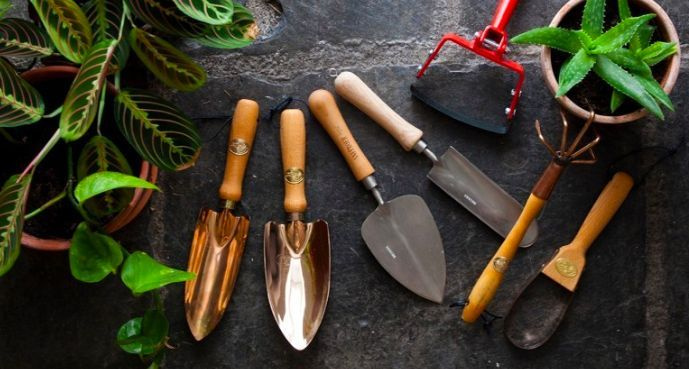
If you want your cutting tools to last a long time, you need to keep them in good condition. Cutting tools used for cutting, pruning, or chopping should always be sharp. A sharp cutting tool blade not only lasts longer but also makes gardening easier and safer.
A blunt cutting tool blade can cause accidents, whereas a sharp cutting tool blade cuts stems and branches cleanly and creates a neater cut. A clean cut reduces damage to the plant and lowers the risk of infection.
You can take your cutting tools to machine-operated professionals, but for most gardeners a simple sharpening stone is enough to do the job at home.
What is a sharpening stone?
A sharpening stone is like a solid block made from abrasive stone. The word “whet” actually means “to sharpen.” Sharpening stones are inexpensive, easy to carry, and can be used by anyone after a little practice.
There are two types of sharpening stones: simple blocks and those with handles. Most are used with water, while some require oil. Some sharpening stones have multiple surfaces: a coarse side for repairing damage and a fine side for final sharpening. Whichever you choose, the process is similar.
How to sharpen cutting tools:
1. Preparation
If you are using a sharpening stone for the first time, do not worry. It may seem difficult at first, but it becomes easier after a few tries. If you are afraid of damaging your cutting tools, practice on an old tool first.
For regularly used cutting tools, use a sharpening stone a few times a year, before they become too dull. If the blade is seriously damaged, it is better to take it to a professional.
Preparing the sharpening stone
First, check which lubricant your stone requires. Add a small amount and wait 5–10 minutes.
Preparing the cutting tool
If you are working with cutting tools, remove the blade so you can easily access the edge. Most cutting tools have one flat side and one sharp side; work only on the sharp side.
Clean off dirt and rust. If necessary, use machine oil or steel wool. The goal is to fully expose the metal surface.
2. Sharpening
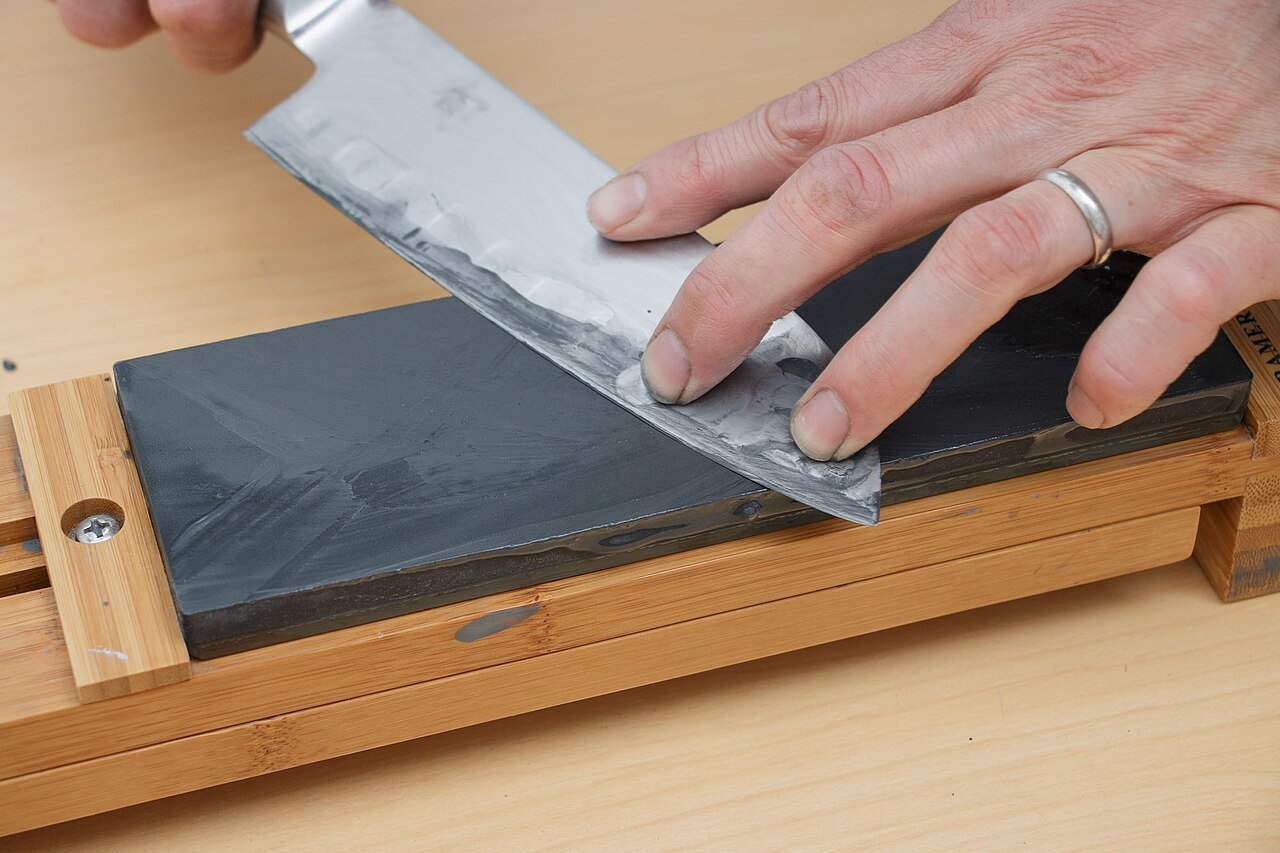
Place the sharpening stone on a flat surface such as a workbench and hold the cutting tool blade firmly. Place the blade on the stone at about a 23-degree angle (check your tool if unsure). Slide the blade across the stone away from you.
Sharpen the edge evenly. Check the blade after each pass. A clean metal surface should be fully visible. Do not over-sharpen, as this wears down the blade faster and does not improve the result. Stop when the edge becomes shiny and smooth.
For single-sided blades, place it flat on the stone and rub once or twice to remove any burrs. For double-sided blades, repeat the same process on the other side and finish by cleaning both edges.
Finally, test with a sheet of paper. The blade should cut smoothly without tearing or sticking.
3. Aftercare
After finishing, remove any burrs. Wipe the blade with a small amount of oil to prevent rust. If the cutting tools are not sharp enough, repeat the process.
After all work, check the sharpening stone. If there are scratches on it, smooth it with another stone or sandpaper.
Wash the stone, dry it, and wrap it in a thick towel before storing.
Use the sharpening stone regularly. Your cutting tools will last longer. In addition, clean cuts will make gardening easier and safer.