- 10-22-2026
- 0
How to protect your plants during extreme heat: Easy ways to keep your garden healthy
Hot summer weather can put significant stress on your garden, making it difficult to keep plants, flowers, vegetables, shrubs, and lawns healthy. Extreme heat can cause dry soil, wilted leaves, slowed growth, and even permanent plant damage without proper care.
Fortunately, a few simple gardening techniques can make a significant difference. By learning how to protect plants from heat, water them correctly, provide shade, and maintain soil moisture, you can help your garden stay healthy and vibrant even during the hottest days of summer.
This guide explores effective ways to protect garden plants during hot weather and maintain a healthy outdoor environment throughout the summer.
Table of Contents
Why Extreme Heat Is So Hard on Gardens
Water Your Garden the Right Way During a Heatwave
Use Shade to Protect Plants from Harsh Sunlight
Keep Soil Cool and Moist for Healthier Plants
Easy Ways to Help Your Garden Beat the Heat
Quick Fixes That Give Your Garden Immediate Relief
Heatwave Garden Care Checklist
Why Extreme Heat Is So Hard on Gardens
Hot weather can be challenging for all types of gardens, including flower beds, vegetable gardens, shrubs, and lawns. Long periods of intense sunlight and high temperatures place additional stress on plants, making it harder for them to remain healthy and continue growing.
Knowing how to protect plants during extreme summer temperatures is especially important during prolonged heatwaves. Understanding how heat affects your garden allows you to take preventive measures early and reduce the risk of serious damage.
How Extreme Heat Affects Plants and Soil
Extreme heat can have a major impact on plant growth and survival. During hot weather, plants lose water rapidly through their leaves. If this moisture is not replaced quickly enough, plants become weak and begin to show signs of heat stress.
Growth can also slow down because plants use more of their energy to survive rather than produce flowers, fruits, or new leaves.
High temperatures also affect the soil. Water evaporates more quickly, causing the ground to become dry and hard. Dry soil cannot provide plant roots with enough water and nutrients, making healthy growth more difficult.
Mulching, proper watering, and regular soil care are among the most effective ways to keep soil cooler and help it retain moisture for longer.
Signs Your Garden Is Struggling in Hot Weather
Overheated plants usually provide several warning signs. Leaves may wilt during the day even when the soil is not completely dry. You may also notice yellow or brown leaf edges, curled leaves, wilted flowers, or fruits dropping before they are fully mature.
In severe cases, plant growth may stop completely until temperatures become more moderate.
Recognizing these early signs allows you to take action before serious damage occurs. Adjusting your watering schedule, providing temporary shade, and increasing soil moisture can help plants recover and better withstand prolonged heatwaves.
Why Acting Early Can Save Your Plants
When plants already show severe signs of stress, it may be difficult to reverse the damage. Taking preventive measures before the hottest days arrive gives your garden a better chance of staying healthy throughout the summer.
Plants that are prepared in advance can develop stronger root systems, retain moisture more effectively, and tolerate higher temperatures.
One of the most important steps is learning how to water plants during a heatwave. Watering early in the morning allows moisture to reach the roots before the sun becomes intense.
Potted plants also require special attention because containers dry out much faster than garden beds. Moving pots into shaded areas or grouping them together can reduce evaporation and help plants remain healthier during extreme heat.
Water Your Garden the Right Way During a Heatwave
When high temperatures continue for several days, proper watering becomes even more important. Heatwaves cause plants to lose moisture rapidly, and using the wrong watering technique can leave plants stressed or even cause them to die.
Knowing when and how to water your garden can help keep plants healthy even during the hottest periods of summer.
The Best Time to Water Plants in Extreme Heat
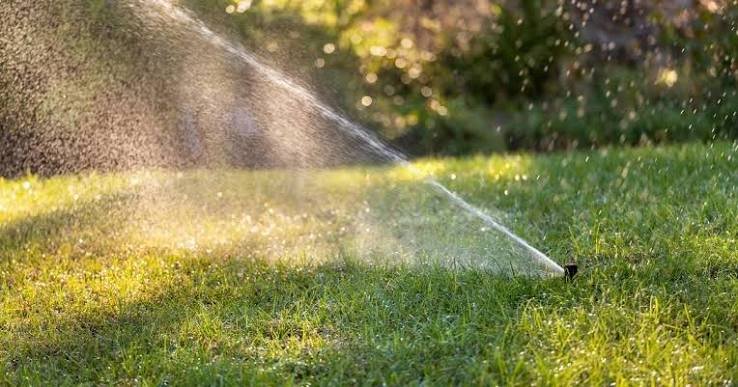
Early morning, before the sun becomes too strong, is generally the best time to water your garden. Cooler temperatures allow water to penetrate deeper into the soil instead of evaporating quickly.
Plants receive enough moisture to prepare for the heat of the day, helping them remain healthier for longer.
Evening watering can also be effective, but it should be done early enough to allow the leaves to dry before nightfall.
A hose reel can make watering more convenient by keeping your garden hose organized, tangle-free, and ready for use.
Deep Watering vs. Light Watering: Which Works Better?
Deep watering is generally more effective than lightly watering plants every day.
When water penetrates deeper into the soil, plant roots grow downward in search of moisture. This encourages a stronger root system and helps plants become more resilient to heat and dry conditions.
Shallow watering encourages roots to remain close to the soil surface, where moisture evaporates more quickly under intense sunlight.
Deep watering also keeps the soil moist for longer, reducing the need for frequent watering. This makes it an effective strategy for reducing heat stress during prolonged periods of extreme summer temperatures.
Common Watering Mistakes to Avoid During Hot Weather
One common mistake is watering plants during the hottest part of the afternoon. Much of the water may evaporate before it reaches the roots.
Using too little water, overwatering, or focusing water primarily on the leaves instead of the soil can also create problems.
Rather than watering frequently with small amounts of water, focus on thoroughly soaking the root zone.
If you use a water pump, make sure it provides a consistent flow of water for thorough irrigation, particularly in larger gardens.
For container gardens, regularly checking soil moisture and watering appropriately can help keep potted plants healthy during prolonged heatwaves.
Use Shade to Protect Plants from Harsh Sunlight
One of the biggest challenges during a heatwave is intense sunlight. Although plants need sunlight to grow, excessive exposure can cause leaves to burn, flowers to dry out, and soil moisture to evaporate rapidly.
Providing shade during the hottest part of the day can help plants stay healthier and reduce unnecessary heat stress.
Protecting plants from intense afternoon sunlight is particularly important for young plants and heat-sensitive varieties.
Which Plants Need Extra Protection During a Heatwave?
Not all plants respond to heat in the same way. Newly planted flowers, young seedlings, leafy vegetables, herbs, and many flowering plants are particularly sensitive to extreme temperatures.
These plants often have smaller root systems or delicate leaves that lose moisture quickly when exposed to direct sunlight.
Container plants also need additional care because soil in pots heats up and dries out much faster than soil in garden beds.
Knowing which plants are most vulnerable can help you determine where additional protection is needed.
Simple Ways to Create Shade in Your Garden
Creating shade does not have to be complicated or expensive.
Shade cloth, garden umbrellas, lightweight fabric covers, and temporary wooden structures can all help reduce direct sunlight during the hottest part of the day.
Taller plants can also provide natural shade for smaller plants when positioned correctly.
Another simple solution is to move potted plants to partially shaded areas during periods of extreme heat.
These techniques help cool the soil, reduce water loss, and minimize heat stress.
How Shade Products Can Help Prevent Heat Stress
Shade products are designed to protect plants without completely blocking sunlight.
Shade cloth, mesh covers, and protective garden canopies allow air to circulate while reducing the intensity of direct sunlight.
This creates a cooler environment for plants and reduces the risk of overheating.
Shade products can also help soil retain moisture for longer, reducing the need for frequent watering.
When combined with proper watering techniques, they can be an effective solution for protecting plants during extreme summer heat.
Keep Soil Cool and Moist for Healthier Plants
Healthy soil is the foundation of a healthy garden, especially during periods of extreme heat.
When soil remains cool and adequately moist, plant roots can continue absorbing the water and nutrients they need for healthy growth.
Unprotected soil can dry out quickly, making it more difficult for plants to survive prolonged hot weather.
Why Mulching Is Important During Extreme Heat
Mulch acts as a protective layer over the soil. It reduces evaporation, keeps the ground cooler, and helps maintain a more stable temperature around plant roots.
Mulch can also suppress weed growth, preventing unwanted plants from competing with garden plants for valuable water.
Organic mulch gradually breaks down and releases nutrients into the soil, improving soil quality over time.
For these reasons, mulching is one of the most effective ways to retain moisture and protect plants during extreme summer heat.
Best Mulch Options for Summer Gardens
There are many types of mulch suitable for summer gardens.
Wood chips, shredded bark, pine needles, compost, straw, and dried leaves are all useful options for helping soil stay cool and retain moisture.
Organic mulches can improve soil quality naturally while reducing moisture loss throughout the season.
Apply mulch in an even layer over the soil while keeping it away from plant stems. This allows water to reach the roots while protecting the soil from direct sunlight.
How Moisture-Retaining Products Help Your Garden Stay Hydrated
Moisture-retaining products can be especially useful when high temperatures continue for several days.
Hydrogels, water-absorbing crystals, moisture-retaining potting mixes, coconut coir, and soil conditioners can help keep water close to plant roots and reduce the need for frequent watering.
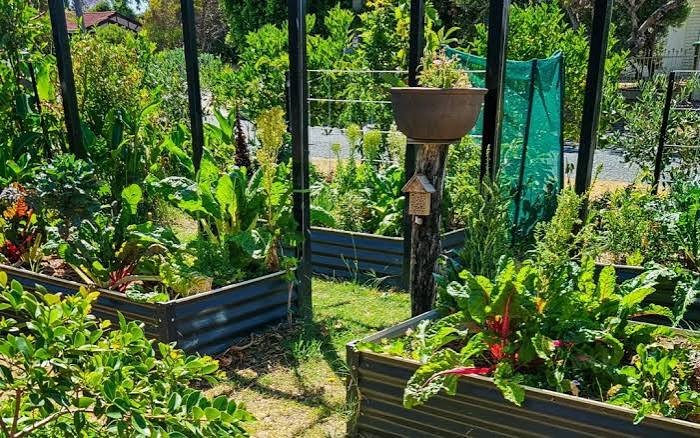
These materials are particularly useful in raised beds and containers, where soil tends to dry out more quickly.
When combined with proper watering and mulching, moisture-retaining products can improve irrigation efficiency and help soil remain moist for longer.
Easy Ways to Help Your Garden Beat the Heat
Keeping your garden healthy during extreme summer weather does not always require major changes.
Simple adjustments can help plants stay cooler, retain moisture, and continue growing.
Even small changes made at the right time can help prevent long-term damage caused by excessive heat.
By combining smart gardening practices with appropriate products, you can help keep plants cool and maintain a healthy-looking garden throughout the season.
Reduce Heat Around Plants with Smart Garden Solutions
Creating a cooler environment around your plants can help them cope with hot weather more effectively.
Some of the simplest ways to reduce heat buildup in a garden include adding mulch, using shade cloth, and improving air circulation.
Potted plants can also be grouped together to create a cooler and more humid microenvironment.
Additional mulch or protective covers can be used in raised beds to reduce soil temperatures.
These methods can help minimize heat stress during the hottest weeks of summer.
Use Water-Saving Products for Better Plant Care
Water-saving products help gardens remain hydrated while reducing unnecessary water consumption.
Soaker hoses, drip irrigation systems, self-watering containers, moisture-retaining potting mixes, and water storage tanks can all help deliver water where it is needed most.
These solutions reduce evaporation and provide a more consistent supply of moisture throughout the day.
During prolonged heatwaves, they can be particularly useful when regular watering becomes more difficult.
Using efficient irrigation products can make it easier to keep plants hydrated and prevent soil from drying out too quickly.
Quick Fixes That Give Your Garden Immediate Relief
Even when temperatures rise rapidly, there are several immediate steps you can take to reduce the risk of permanent plant damage.
Move sensitive plants into partial shade, water them early in the morning, and apply fresh mulch around the base of plants to help retain moisture.
Temporary shade covers can also protect delicate flowers and vegetables from intense afternoon sunlight.
Even small adjustments can make a noticeable difference when plants are exposed to harsh conditions.
Protect Your Lawn During Extreme Heat
Lawns can be affected by heatwaves just as much as flowers and vegetables.
High temperatures, intense sunlight, and dry soil can quickly turn healthy green grass into dry, brown patches.
Proper lawn care during extreme weather can help grass withstand difficult conditions for longer and recover more quickly when temperatures return to normal.
A healthy lawn also contributes to the overall appearance of your garden and landscape.
Should You Mow Your Lawn During a Heatwave?
Extra care is needed when mowing during extreme heat.
Cutting grass too short exposes the soil to direct sunlight and increases moisture loss.
Instead, allow grass to remain slightly taller so it can naturally shade the soil and protect its roots.
Whenever possible, mow in the early morning or evening when temperatures are cooler.
Avoid mowing during the hottest part of the day, as this can place additional stress on the lawn.
How to Keep Grass Green with Less Water
Lawns do not necessarily need to be watered every day to remain healthy and green.
Deep watering once or twice a week encourages grass roots to grow deeper into the soil, making them more resistant to drought and heat.
Morning watering reduces evaporation and allows water to reach the roots before temperatures rise.
Healthy soil is also important for retaining moisture.
Combining proper watering practices with good soil care can help maintain healthier grass during extended periods of high temperatures.
Lawn Care Products That Help During Hot Weather
Several lawn care products can help grass withstand hot summer conditions.
Organic mulch, slow-release fertilizers, soil conditioners, and moisture-retaining treatments can improve soil health and reduce water loss.
Watering timers and high-quality irrigation systems can also deliver water more efficiently and minimize waste.
Combined with proper watering and mowing practices, these products can support stronger root development and healthier grass throughout the summer.
Heatwave Garden Care Checklist
Protecting plants during a heatwave becomes much easier when the garden is prepared in advance.
Many problems caused by high temperatures can be prevented through simple daily habits and regular maintenance.
Consistent care helps plants remain healthy, hydrated, and productive throughout the summer.
Daily Tasks to Keep Plants Healthy
Checking your garden every day can help you identify problems before they become serious.
Look for signs of heat stress, including wilted leaves, dry soil, shriveled flowers, and other indications of dehydration.
Water plants early in the morning when necessary.
Check potted plants more frequently because they lose moisture much faster than plants growing directly in the ground.
Remove damaged leaves when appropriate so plants can focus their energy on healthy growth.
Weekly Maintenance During Hot Weather
Regular maintenance keeps your garden prepared for periods of extreme heat.
Check mulch levels and add more mulch wherever the protective layer has become too thin.
Inspect irrigation systems to make sure water is reaching plant roots evenly.
Remove weeds that compete with plants for water and nutrients.
Prune only dead or damaged growth when necessary. Avoid heavy pruning during extreme heat because excessive pruning can increase plant stress.
Essential Products to Have Ready During a Heatwave
Having essential gardening supplies ready allows you to respond quickly when temperatures rise.
Useful supplies include shade cloth, mulch, drip irrigation equipment, watering cans, moisture-retaining soil mixes, and self-watering containers.
These products can help reduce water waste, maintain soil moisture, and keep plant roots cooler during the hottest part of the day.
Being prepared makes it easier to protect your garden before heat causes serious damage.
Wrap Up
Heatwaves do not have to destroy your garden if you prepare in advance and take action at the right time.
Proper watering, mulching, shading, and regular maintenance can all help plants withstand extreme temperatures.
Whether you are caring for flower beds, vegetables, container plants, or a lawn, these simple practices can reduce heat stress and support healthy growth.
By understanding how to water plants during a heatwave, keep potted plants cool, protect plants from intense sunlight, and maintain healthy soil, you can keep your garden greener, healthier, and more resilient throughout the summer.