- 03-27-2026
- 0
Seasonal Care for Indoor Plants and Practical Tips
When talking about seasonal care for indoor plants, you are already familiar with the factors that affect plants depending on the season, watering strategies, seasonal fertilization, and the problems plants may face. Now let’s take a look at additional practical tips that can support the proper development of your houseplants.
Seasonal Repotting of Plants
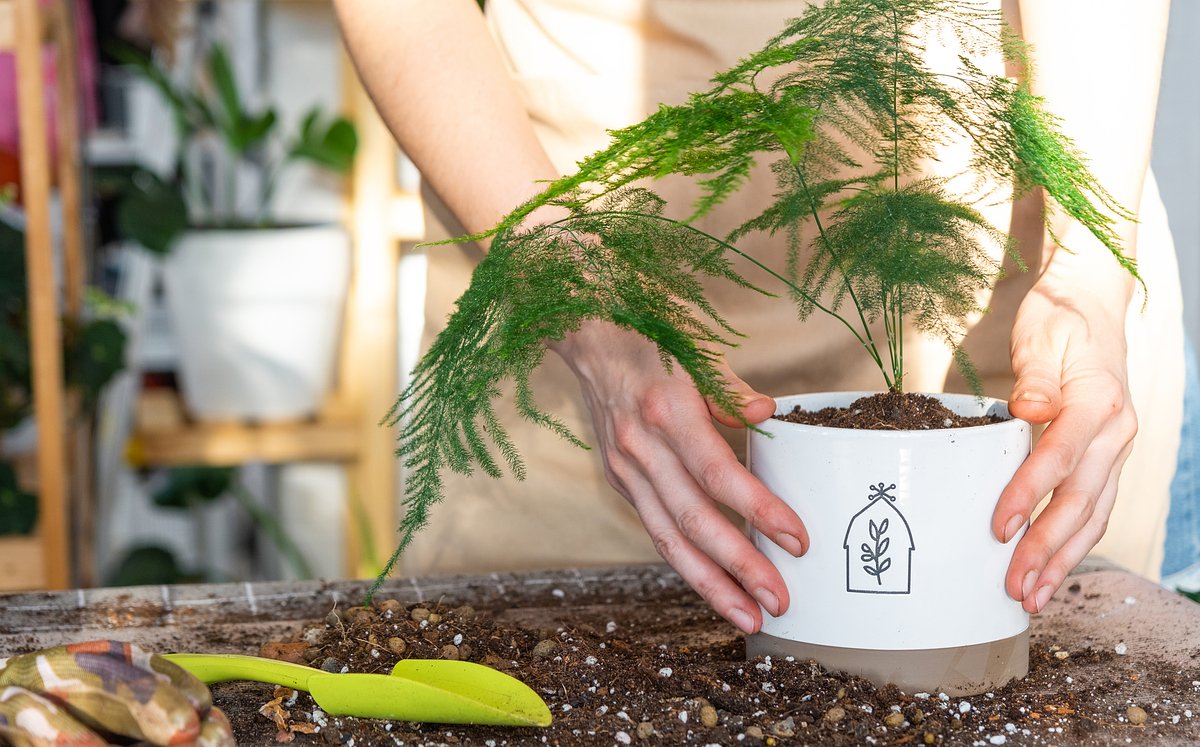
As your houseplant grows, its current pot may eventually become too small. In this case, it should be repotted into a larger container to allow proper root development. This also helps the plant continue to grow and thrive. Repotting is also beneficial for adapting plants to seasonal changes.
Spring is generally the ideal time to repot most indoor plants for the following reasons:
- Plants are naturally more energetic and actively growing in spring, making them better able to handle repotting stress.
- Longer days and warmer temperatures give repotted plants enough time to settle into their new containers before the cold of winter arrives.
Seasonal Care Tasks
There are simple maintenance tasks you can perform throughout the year to keep your indoor plants healthy and looking their best.
- Pruning:Regular pruning encourages fuller growth and helps maintain the desired shape of the plant. Spring is generally the best time for major pruning.
- It coincides with the active growth period, allowing plants to recover quickly.
- Removing long or overgrown stems improves light penetration and stimulates new growth.
- Cleaning leaves:Over time, dust can accumulate on plant leaves, reducing their ability to absorb light and perform photosynthesis effectively.
- Wipe leaves regularly with a damp cloth.
- Avoid harsh chemicals; use water or a mild soap solution if necessary.
Seasonal Checklists
Managing plant care throughout the year can be challenging, especially with multiple plants. Creating seasonal checklists can make this process much easier and more organized.
- Customize for each plant: Every plant has unique needs for light, water, humidity, and fertilizer.
- Divide by seasons: Organize your checklist for spring, summer, autumn, and winter.
- Highlight key tasks: Include watering, light monitoring, pest control, pruning, and leaf cleaning.
- Personalize your list: Add reminders for fertilization schedules and repotting needs.
Essential Tools and Equipment
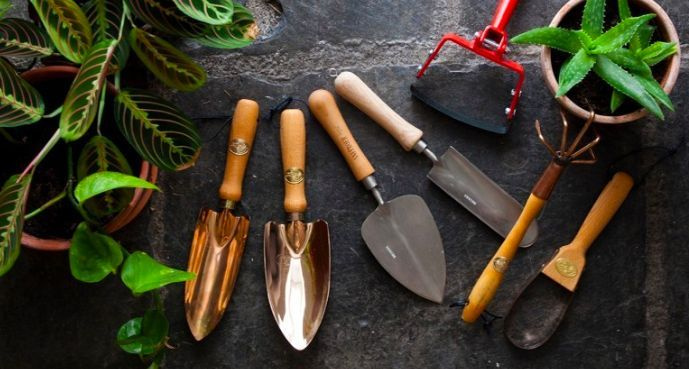
Having the right tools is essential for effective plant care. A good set of gardening tools such as pruning shears, trowels, and forks is indispensable.
Additionally, investing in proper watering systems, compost containers, and pest control solutions can significantly improve the health and productivity of your plants.
Conclusion
By understanding how seasons affect your indoor plants, you are on your way to becoming a more confident plant caretaker. Adjusting light, humidity, and watering routines helps maintain plant health year-round.
By using seasonal checklists and choosing the right care strategies, you can ensure your plants thrive in every season.