- 10-29-2026
- 0
Forestry health and safety rules
Working in forestry, particularly when operating forestry machinery, involves a range of hazards that must be properly identified and controlled. Safety in this industry is governed by various occupational health and safety regulations designed to ensure safe working conditions and compliance with established safety standards.
General Principles of Occupational Health and Safety in Forestry
Occupational health and safety rules, including those applicable to forestry, establish important responsibilities for employers and employees. Employers are required to:
Provide safe working conditions, including appropriate tools and equipment.
Organize occupational health and safety training for employees, particularly those operating machinery.
Protect employees' health by providing appropriate personal protective equipment (PPE).
Occupational safety regulations also establish general principles for cooperation between employers and employees in protecting health and life. Employers have primary responsibility for organizing and maintaining a safe working environment.
Specific Health and Safety Requirements for Forestry Machinery
The safe operation of forestry machinery is subject to specific occupational health and safety requirements. According to these requirements:
Machinery must undergo regular technical inspections in accordance with the manufacturer's recommendations. Operators working with harvesters, forwarders, or other machines equipped with forestry cranes must ensure that the required technical inspections and certifications are up to date.
Machinery operating instructions must be easily accessible and understandable to operators. Workers must receive comprehensive training on the operation of the specific type of machinery they use.
Machinery must be equipped with appropriate protective guards to minimize the risk of contact with moving parts, such as chainsaws and other cutting components.
Technical Inspections and Maintenance of Forestry Machinery
Regular machinery maintenance is an essential requirement for occupational health and safety. Employers must ensure that machinery remains fully operational and that any detected defects are repaired promptly.
Forestry machinery often operates in demanding conditions, including mud, moisture, and uneven terrain. These factors can accelerate the wear of mechanical components.
Neglecting regular maintenance can result in machinery breakdowns. This not only increases the risk of accidents but can also lead to additional repair costs and operational downtime.
Rules for the Safe Use of Forestry Machinery
Occupational health and safety regulations provide detailed requirements for the use of forestry machinery. Operators must understand not only the operating procedures but also the limitations of the equipment, such as the maximum slope on which the machinery can be safely operated.
In addition:
The machine's working area must be properly secured – other people should not be present near the machinery while it is operating.
The direction of tree felling must be carefully planned to prevent danger to the operator and other workers.
Working in extreme weather conditions should be avoided – strong winds, heavy precipitation, and fog can significantly increase the risk of accidents.
The "dead zone" principle must be considered – operators should be aware of areas around the machine where there is an increased risk of being crushed or struck by machine components.
Effective communication between team members must be maintained. Radios or other communication devices should be used, especially in difficult conditions where visibility may be limited.
Operator Training and Certification
Both theoretical and practical occupational safety training play an essential role in ensuring the safe operation of forestry machinery. Operators must have the appropriate qualifications, confirmed by valid certificates, and their knowledge should be regularly updated.
Every employee who operates forestry machinery must complete the appropriate training and obtain the certification required to operate the specific type of machinery.
Training should not be limited to theoretical knowledge. It should primarily include practical instruction on machinery operation, maintenance, and emergency response procedures.
Personal Protective Equipment (PPE)
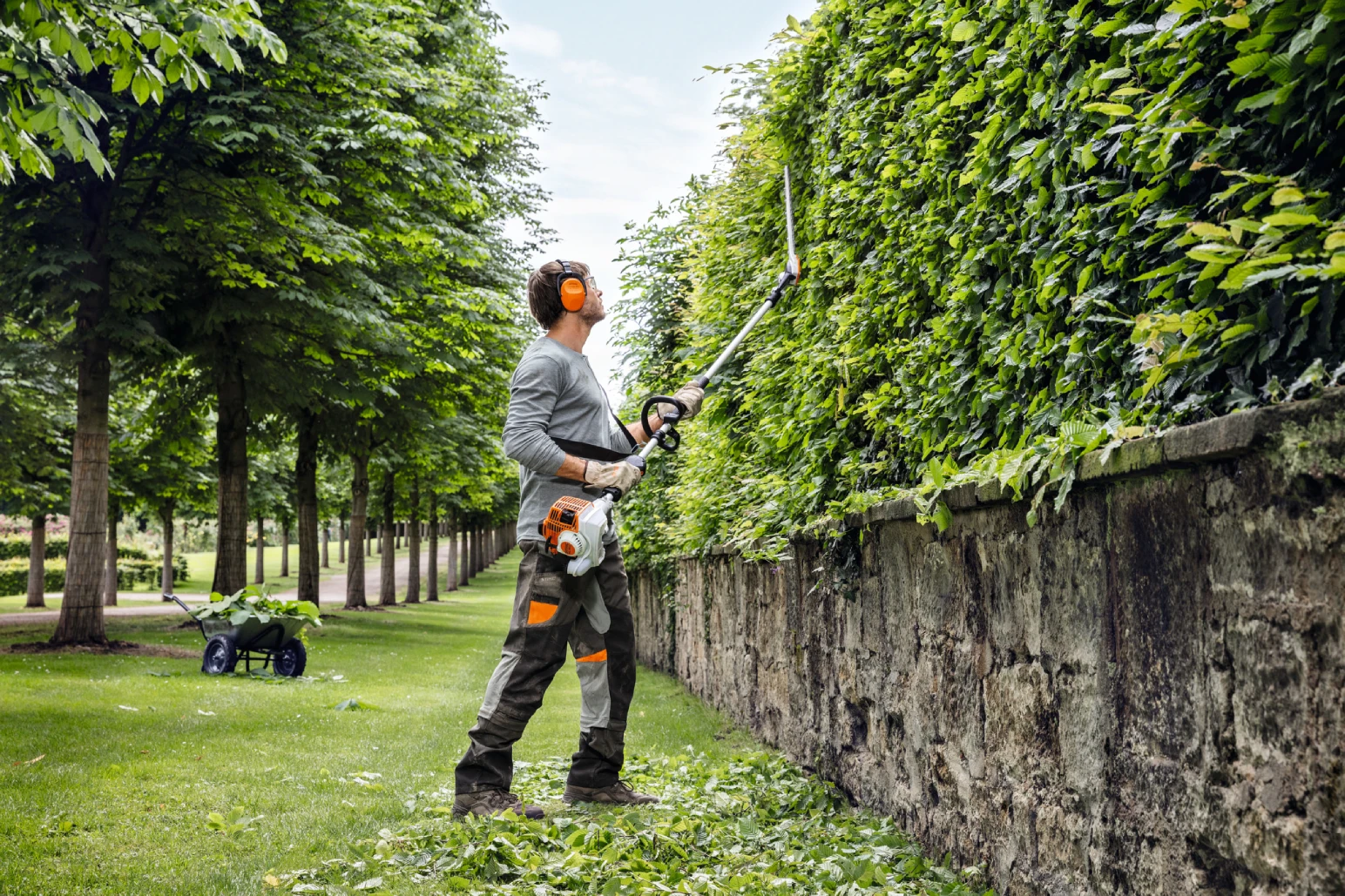
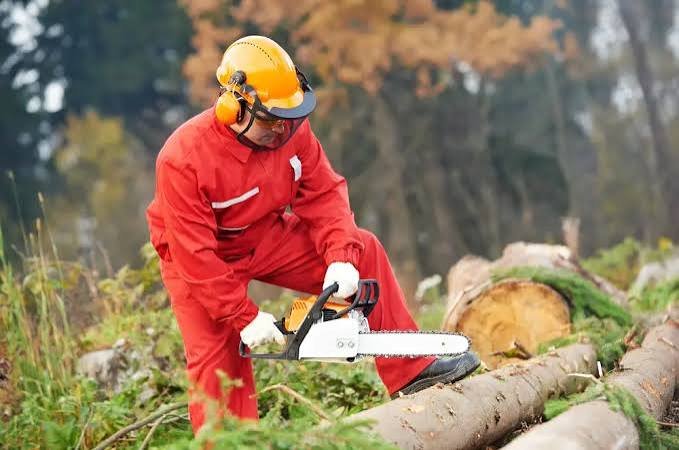
Using appropriate personal protective equipment is one of the most important elements of workplace safety. Forestry workers should be provided with:
Protective helmets with hearing protection – to protect the head and hearing.
Protective goggles or face shields – to protect the eyes from debris and dust.
Protective gloves – to protect hands against cuts and other injuries.
Protective footwear with non-slip soles and protection against crushing injuries.
Protective clothing – including specialized chainsaw-protective trousers or clothing with protective inserts designed to reduce the risk of chainsaw-related injuries.
Emergency Response
In the forest, emergency assistance may take longer to arrive following an accident. Therefore, workers must be properly prepared to respond to emergency situations.
Employees should receive first-aid training, and a properly equipped first-aid kit should be available at the workplace.
Conclusion
Safe work with forestry machinery is a multifaceted issue involving technical, organizational, and individual factors.
Occupational health and safety regulations establish a range of responsibilities for both employers and employees. Compliance with these requirements is essential for minimizing the risk of workplace accidents.
Well-trained personnel, regularly maintained machinery, and proper organization of work are the foundations of safe forestry operations.