- 04-30-2026
- 0
Less Water, Healthier Plants: The Power of Drip Irrigation
Garden planning with drip irrigation
Winter may seem like a time when your garden takes a back seat. However, for the smart gardener, this season is the ideal time to set plans in motion for a highly productive spring. Imagine laying the foundation for your most productive garden while sitting comfortably at home. One of the secrets? Drip irrigation. In this article, we explore how you can plan your garden and landscape during the winter months and how you can use drip irrigation to support lush and healthy growth.
The advantages of planning your garden early
Starting garden planning in winter is not just about passing time while waiting for warmer weather. Early planning gives you flexibility in choices and time. You can carefully think about which types of plants, flowers, and vegetables will best suit your vision and prepare for the changes that come with each season. This thoughtful approach ensures that when planting time arrives, you begin with the best available options.
Using drip irrigation for garden success
Drip irrigation is an excellent tool for modern gardeners who want to achieve the best growing results while saving both time and water. You will notice that your plants grow healthier and require less effort to care for.
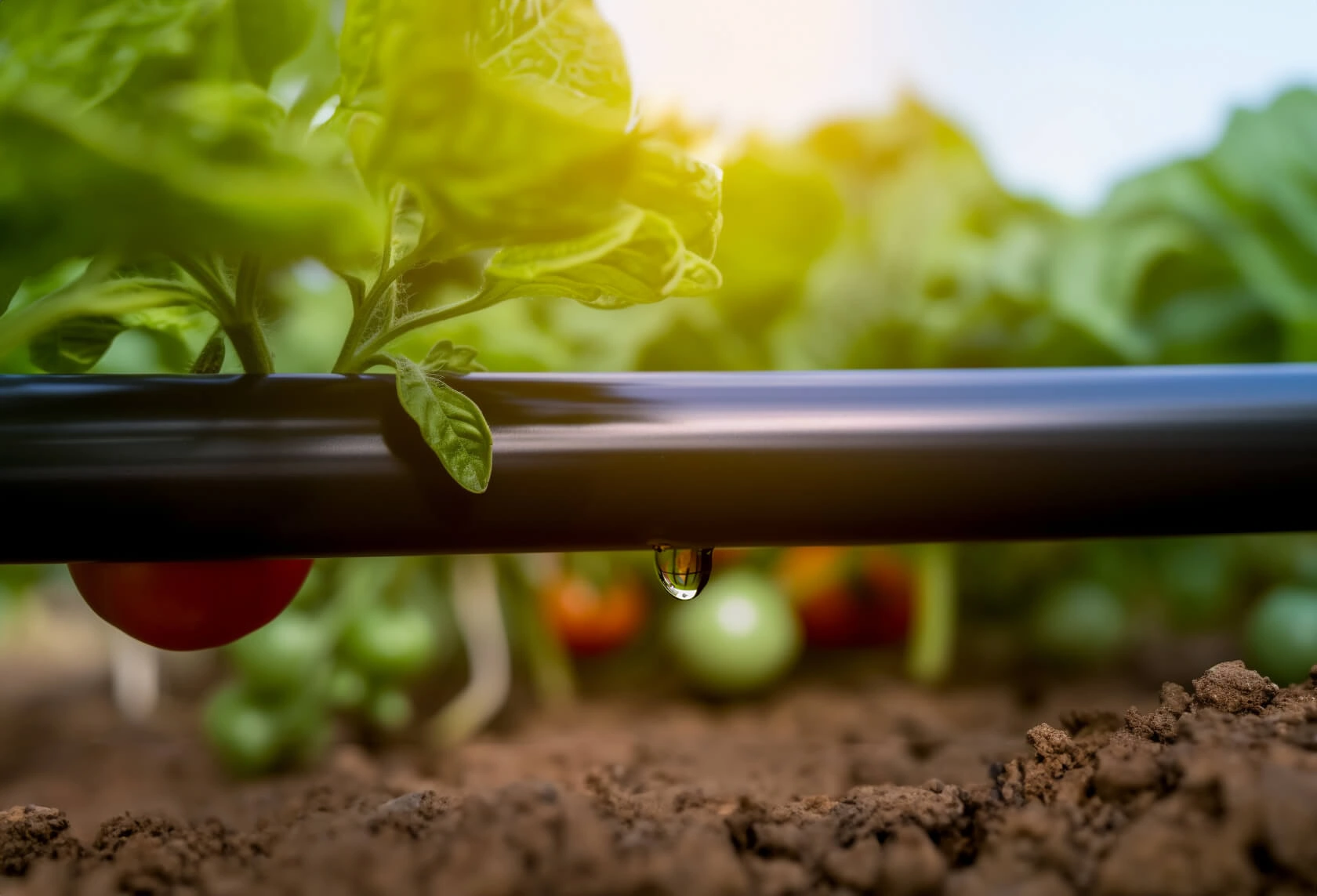
Healthier plants are the direct result of consistent and proper hydration. With drip irrigation, water is delivered slowly and steadily, ensuring that the soil remains moist but not overly saturated. This method mimics natural rainfall patterns, which is ideal for plant growth.
Drip irrigation also aligns with environmentally friendly gardening practices. The core philosophy of Rain Bird, Smart Use of Water™, reduces water waste and conserves this valuable resource. This is a sustainable approach that benefits your garden while also contributing to global efforts to protect our planet’s limited water supplies.
Plan your garden with drip irrigation
Winter is a great time to plan your garden, research plant varieties, and incorporate drip irrigation into your project. This process begins with understanding the unique needs of your garden.
Assess your garden’s water needs
Start by examining your garden’s soil, plant types, and sun exposure areas. Drier areas may require more drip emitters, while in a more humid climate, fewer may be sufficient. Remember, the goal is to provide enough water without waste.
Create your garden plan
Measure your garden or landscape area and sketch your plan on graph paper. Identify the locations of different planting points in your space. Your garden’s design will determine how much and what type of drip irrigation equipment you need, as well as where it should be placed.
Select drip irrigation equipment
Choose drip emitters and tubing suited to the size and shape of your garden from Rain Bird’s wide range of drip components. Select components with different flow rates according to your plants’ needs — some plants require more water than others.
Drip irrigation kits are available for small gardens, while larger gardens may require separately sold components. Some popular options include:
Emitter Tubing
These durable and flexible tubes are easily rolled out and secured in gardens, flower beds, ground cover areas, or other landscape spaces. With built-in emitters spaced every 6 inches, delivering 0.8 gallons per hour, Rain Bird’s 1/4-inch Emitter Tubing waters plants evenly from the beginning to the end of the tubing throughout the planting area.
Drip emitters
Sometimes also called point-source irrigation emitters, drip emitters slowly drip water at the base of each plant or group of plants. If needed, you can even place two drip emitters in one container to water larger surface areas. Flow rate options are available in 0.5 gallon (GPH), 1 gallon, and 2 gallon (GPH).
Micro spray systems
Rain Bird’s Drip Micro Spray is ideal for taller plants such as shrubs and bushes, as well as for flower beds and ground cover areas where wider coverage is desired. Available in full or half-circle spray patterns, these systems allow you to adjust the water throw distance from 0 to 10 feet and make it possible to water multiple plants or densely planted areas.
Timer
Connect a timer to automatically schedule watering times. The Rain Bird Electronic Garden Hose Watering Timer easily connects to your drip irrigation system, making your watering schedule more convenient without the worry of overwatering or underwatering.
Install the system and check its efficiency
Once your plan is ready, you will be prepared to set up your garden in spring. When planting day arrives, place your tubing and connect the drip emitters according to your plan. Then secure everything and connect it to the water source. Test the system to ensure that water flows properly and reaches all plants evenly. A properly installed system should require minimal adjustments once established.
Finally, do not forget the importance of flexibility. Gardens change over time, and your irrigation system should change as well. Design with adjustments in mind — a modular structure allows you to make changes when needed without a complete rebuild.
Additional winter planning tips for gardeners
Winter is also an excellent time for soil preparation and improvement. Consider checking your soil’s pH level and nutrient values, and make the necessary additions to improve fertility. Healthy soil is the foundation of a highly productive garden.
Planning crop rotation and companion planting during winter can also provide great benefits. Crop rotation prevents nutrient depletion in the soil and reduces pest buildup, while companion planting can improve growth and enhance the flavor characteristics of crops.
Finally, use this time to evaluate your previous gardening successes and challenges. Learning from experience is extremely valuable; it allows you to refine your strategies and set new goals for the upcoming growing season.
Creating a beautiful garden is as much about planning as it is about growing it. By spending the winter months planning your garden, incorporating drip irrigation into your system, and following the recommendations above, you are preparing yourself for a successful and sustainable growing season.
Conclusion
A beautiful and productive garden does not happen by chance — it is shaped by proper planning, consistent care, and smart irrigation. A drip irrigation system adds value to this process by benefiting your time, water resources, and the health of your plants. The planned steps you take today will lay the foundation for a greener, livelier, and more productive garden tomorrow. Remember: proper watering is the beginning of healthy growth.