- 09-07-2026
- 0
11 essential rules for keeping your lawn green, healthy, and beautiful all year round
Keeping your lawn green, vibrant, and healthy throughout the year can be challenging, especially during extreme weather conditions. However, with the right approach and consistent care, you can maintain a lush and green lawn regardless of the season.Here are eleven essential tips to help you keep your lawn healthy and well-maintained.
1. Encourage Deep Root Growth
Develop Strong Roots for Greater Resilience
The foundation of a healthy and green lawn is a strong root system. By encouraging deep root growth, you can help your grass withstand hot and dry summer conditions while reducing its dependence on frequent watering.
To encourage deep root growth:
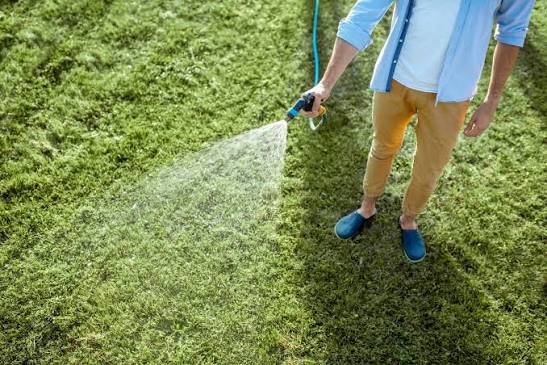
Water deeply and less frequently: Instead of watering your lawn every day, give it a thorough soaking two to three times a week. This encourages roots to grow deeper into the soil, making them stronger and more resilient.
Avoid shallow watering: Frequent, insufficient watering causes roots to remain close to the surface, making them more vulnerable to drought and temperature fluctuations.
Additional tip: Consider using a soil conditioner or root growth stimulant to further support healthy root development.
2. Water Your Lawn at the Right Time
Maximize Water Absorption and Prevent Lawn Diseases
Timing is very important when watering your lawn. The best time to water is early in the morning, ideally before 10:00 a.m.
Here’s why:
Morning watering: It allows the grass to absorb moisture and carry out photosynthesis as the sun rises, supporting healthy growth.
Avoid evening watering: Watering in the evening or at night can contribute to lawn diseases because the grass remains wet and cool for longer, creating favorable conditions for fungal growth.
Prevent evaporation: Watering during the hottest hours of the day can cause water to evaporate before the grass has a chance to absorb it. This leads to water waste and reduces the effectiveness of irrigation.
Additional tip: Use a rain gauge to monitor natural rainfall and adjust your watering schedule accordingly.
3. Feed Your Lawn Regularly
Provide Essential Nutrients for Optimal Growth
Like any other plant, grass needs balanced nutrition to remain healthy. Regular fertilization ensures that your lawn receives the nutrients it needs for healthy growth.
Here’s how to do it properly:
Choose the right fertilizer: Use slow-release fertilizers that provide nutrients gradually over time. Choose fertilizers rich in nitrogen, phosphorus, and potassium — essential nutrients for healthy grass.
Seasonal feeding: Fertilize your lawn in spring and autumn, when grass is actively growing. This helps prepare it for the challenging conditions of summer and winter.
Additional tip: Consider using organic fertilizers to improve soil health and reduce the amount of chemicals entering the surrounding environment.
4. Water According to the Needs of Your Lawn
Ensure Efficient Water Use
Although watering your lawn is essential, it is important to focus more attention on areas that require additional water.
For efficient irrigation:
Check your irrigation system: Make sure sprinklers are positioned correctly and provide even coverage across the entire lawn. This is especially important for large or unusually shaped areas.
Divide the lawn into zones: Divide your lawn into zones based on the amount of sunlight, shade, and drainage conditions. Adjust the watering schedule accordingly for each zone.
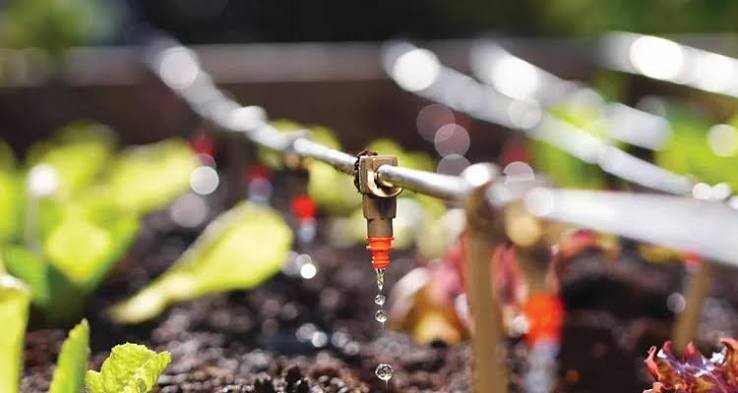
Additional tip: Use a drip irrigation system or soaker hoses for more precise watering and to reduce water waste.
5. Prevent and Manage Water Runoff
Maximize Water Retention and Reduce Waste
Water runoff occurs when water is not adequately absorbed by the soil and instead flows away from the area, potentially carrying valuable nutrients with it.
Here’s how to prevent it:
Water in cycles: Water your lawn in short intervals, allowing enough time for the water to soak into the soil between cycles. For example, water for 10 minutes, pause for 20 minutes, and then water again.
Improve soil structure: Aerating the lawn can improve drainage and the soil’s ability to absorb water, thereby reducing the risk of surface runoff.
Additional tip: Add organic matter such as compost to the soil to improve its water-retention capacity.
6. Aerate Your Lawn Regularly
Promote Healthy Soil and Grass Growth
Aeration is an important process for maintaining a healthy lawn. It involves creating small holes in the soil, allowing air, water, and nutrients to penetrate deeper into the root zone.
To aerate your lawn:
Manual aeration: For smaller lawns, use a garden fork or specialized aeration shoes to create holes at regular intervals.
Mechanical aeration: For larger lawns, consider renting a lawn aerator or hiring a professional. Mechanical aeration is faster and more effective for larger areas.
Additional tip: Aerate your lawn in early spring or autumn when the grass is actively growing.
7. Control Weeds Effectively
Maintain a Weed-Free Lawn
Weeds compete with grass for nutrients, water, and sunlight, making it more difficult to maintain a green and healthy lawn.
To control weeds:
Remove weeds by hand: Remove weeds manually as soon as you notice them. This method is effective when there are only a small number of weeds and helps prevent them from spreading.
Use targeted treatment: If weeds have become widespread, targeted herbicides can be used to eliminate them without damaging the grass. Always follow the manufacturer's instructions to avoid harming your lawn.
Additional tip: Use mulch around garden beds and trees to prevent weeds from taking root in these areas.
8. Use Cool Water for Lawn Irrigation
Prevent Heat-Related Damage
If you use a garden hose to water your lawn, pay attention to the temperature of the water. Hot water can damage grass blades and cause brown spots to appear.
Here’s what you should do:
Drain the hose: Always drain the water from the hose after use, especially during the summer. This prevents the water inside the hose from becoming excessively hot.
Flush the hose before watering: Before you begin watering, let the water run through the hose until it becomes cool. This helps prevent hot water from reaching your lawn.
Additional tip: Store your hose in a shaded area or cover it with reflective material to help keep it cool.
9. Adjust Your Watering During Rainy Periods
Avoid Overwatering
Although regular watering is important for your lawn, too much water can be just as harmful as too little.
During periods of heavy rainfall, adjust your watering schedule:
Turn off automatic systems: If you have an automatic sprinkler system, manually turn it off during rainy days to prevent overwatering.
Monitor soil moisture: Regularly check the soil moisture level to make sure your lawn is not becoming waterlogged. Excessive water saturation can lead to root rot and other problems.
Additional tip: Consider installing a rain sensor that automatically turns off your irrigation system when rainfall is detected.
10. Mow Your Lawn Properly
Support Healthy Growth Through Proper Mowing
Mowing is not simply about cutting grass. It is important to maintain the right grass height to support optimal lawn health.
Here’s how to mow properly:
Adjust the mower height: During summer, increase the mowing height so that the grass remains taller. Taller grass provides shade for the soil, reduces water evaporation, and helps keep the roots cooler.
Mow regularly: Regular mowing encourages healthy growth. However, avoid removing more than one-third of the grass height at a time, as this can place additional stress on the lawn.
Additional tip: Keep your mower blades sharp. Sharp blades provide a clean cut and help reduce the risk of lawn diseases.
11. Reuse Grass Clippings
Naturally Nourish Your Lawn
Grass clippings are not simply waste. They can actually provide valuable benefits to your lawn.
Here’s how to make the most of them:
Use a mulching mower: Use a mulching mower that finely chops grass clippings and redistributes them evenly across the lawn. This helps return valuable nutrients, such as nitrogen, to the soil and reduces the need for additional fertilizer.
Compost grass clippings: If you prefer not to leave grass clippings on your lawn, add them to your compost pile. Over time, they will decompose and turn into nutrient-rich compost that can later be used to improve your lawn or garden.
Additional tip: Avoid leaving large piles of grass clippings on the lawn. They can prevent air from reaching the grass and may encourage fungal diseases.
Conclusion
By following these eleven essential recommendations, you can keep your lawn green, healthy, and beautiful throughout the year.
If you have any additional questions or need professional landscaping assistance, you can contact Arborist Now or reach out to local landscaping and green-space maintenance specialists.
Your dream lawn is just a few simple steps away!