
- 10-12-2026
- 0
What are the benefits of using safety equipment in agriculture?
Safety equipment in agriculture provides essential protection against various hazards, improves productivity, reduces accidents, and offers significant financial benefits. Modern agricultural operations involve numerous risks, ranging from exposure to chemicals to accidents involving machinery. Therefore, personal protective equipment (PPE) and safety systems are important investments.
Properly selected safety equipment not only protects workers but also increases their confidence, helps reduce insurance costs, and supports compliance with safety requirements across agricultural operations.
What Safety Equipment Is Essential for Modern Agricultural Operations?
Essential safety equipment includes personal protective equipment (PPE), agricultural machinery safety devices, and environmental protection systems.
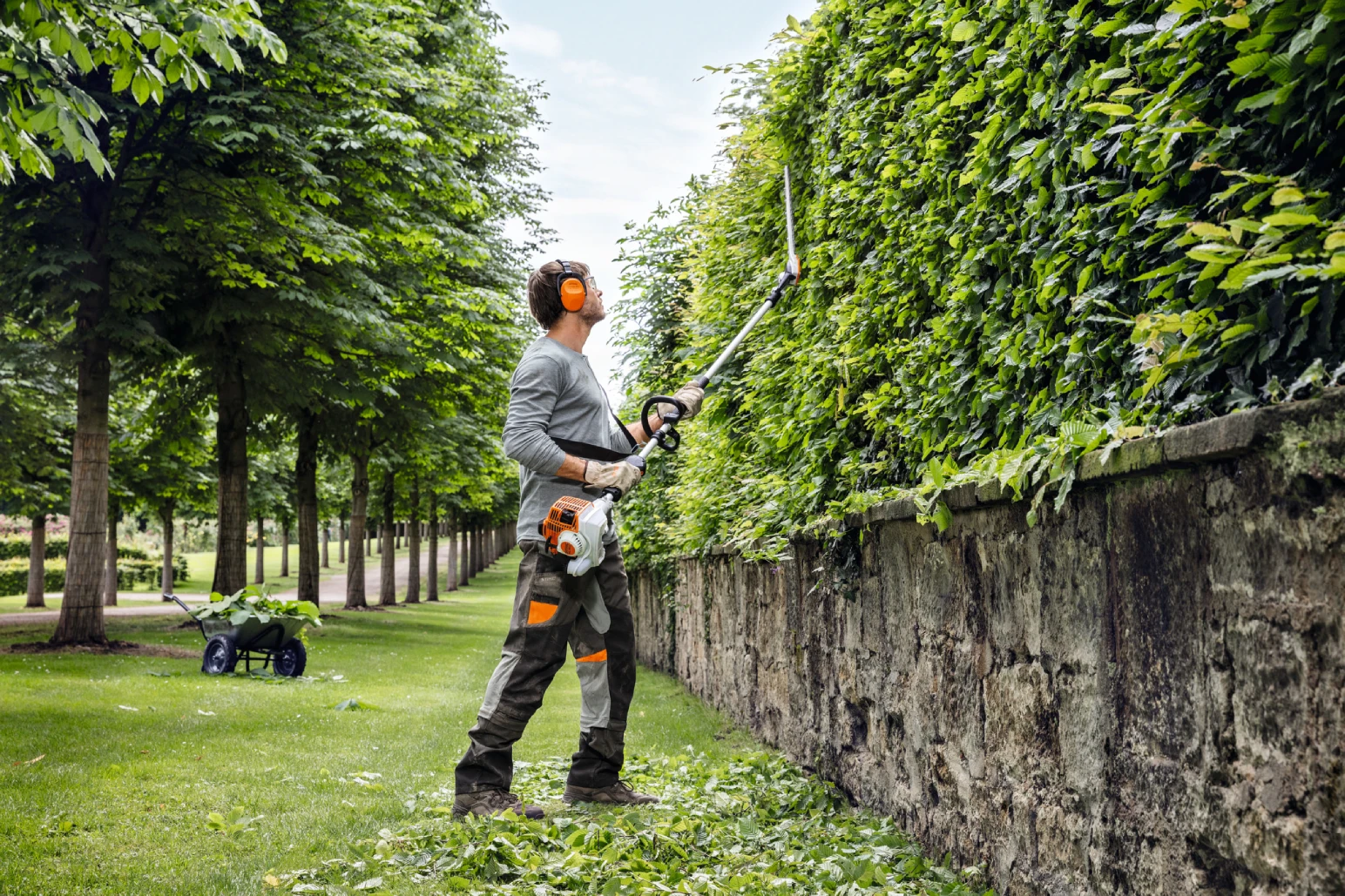
Personal protective equipment is the foundation of workplace safety and includes respiratory protection, protective clothing, eye protection, and hand protection. These are particularly important when handling chemicals and working with crop protection products.
Respiratory protection includes dust masks, chemical respirators, and full-face respirators, depending on the level of exposure to hazardous substances.
Protective clothing includes chemical-resistant suits for pesticide application and cut-resistant clothing for machinery-related tasks. Eye protection includes safety glasses, goggles, and face shields designed for different types of hazards.
Agricultural machinery safety devices include rollover protection structures (ROPS), power take-off guards, and emergency shut-off systems.
Environmental and workplace protection equipment includes hearing protection for noisy machinery, fall protection systems for work at height, and emergency response equipment such as eyewash stations and first-aid kits.
Hand protection includes chemical-resistant gloves for handling fertilisers and other chemicals, as well as cut-resistant gloves for working with sharp tools.
Foot protection includes steel-toe safety boots for areas where heavy machinery is operated and chemical-resistant footwear for wet conditions or work involving chemicals.
How Does Safety Equipment Reduce Accidents and Injuries in Agriculture?
Safety equipment helps prevent accidents by creating a protective barrier between workers and hazards, reducing exposure to harmful substances, and enabling quick responses during emergencies.
Properly selected protective equipment can help prevent many common agricultural injuries, including chemical burns, respiratory problems, cuts, and crush-related injuries.
Using appropriate respirators and protective clothing when handling chemicals helps reduce the risk of poisoning, skin irritation, and long-term health effects associated with pesticides and fertilisers.
Protective eyewear prevents chemicals, dust, and small particles from entering the eyes, reducing the risk of eye injuries and vision damage.
The risk of machinery-related accidents can be reduced through the use of protective guards, emergency stop systems, and appropriate safety structures.
Hearing protection helps prevent hearing damage caused by prolonged exposure to high noise levels from agricultural machinery. Fall protection systems reduce the risk of injuries when working at elevated heights.
Cut-resistant gloves and clothing protect workers from sharp tools and machinery, while steel-toe safety footwear helps prevent foot injuries caused by falling heavy objects or working around large equipment.
Emergency response equipment, such as eyewash stations, enables immediate action when chemicals come into contact with the eyes and can help reduce the severity of potential injuries.
What Are the Financial Benefits of Investing in Agricultural Safety Equipment?
Investing in safety equipment can reduce costs by lowering insurance expenses, compensation claims, and downtime associated with workplace accidents.
Insurance companies may, in some cases, offer more favourable terms or lower premiums to agricultural businesses that implement comprehensive safety programmes.
When appropriate personal protective equipment helps prevent injuries, businesses can reduce medical expenses, compensation payments, and potential legal costs.
Productivity can also improve through fewer sick days, more confident employees, and reduced downtime associated with workplace accidents and investigations.
Safety systems can help extend the service life of equipment by preventing damage caused by accidents or improper use.
Using appropriate protective equipment also supports compliance with safety regulations and legal requirements, reducing the risk of fines and work stoppages.
In addition, training employees to use safety equipment and procedures correctly contributes to a workplace safety culture focused on prevention rather than simply responding after an incident occurs.
How Does Safety Equipment Improve Worker Productivity and Confidence?
Properly selected safety equipment can improve work efficiency by reducing fatigue, minimising concerns about potential hazards, and allowing workers to focus more effectively on their tasks.
Protected workers may feel more confident, concentrate better on their work, and perform their duties more effectively.
From a psychological perspective, safety equipment can reduce anxiety related to workplace hazards, increase workers' confidence when performing demanding tasks, and create a stronger sense that their safety and well-being are valued.
Comfortable and properly fitted protective equipment can reduce physical strain and fatigue during extended working periods. Ergonomic safety equipment provides the necessary protection while allowing workers to move naturally and perform demanding tasks for longer periods.
Confidence in equipment and safety procedures can contribute to more efficient task completion, fewer mistakes, and greater willingness to develop new skills.
Teams that use comprehensive safety systems can also work more effectively together and support one another in following safety procedures.
How Does Hortus Supplies International Support Safety in Horticulture?
Hortus Supplies International provides comprehensive safety solutions specifically designed for businesses operating in the horticulture sector. The company offers expert advice and customised protective equipment packages for growing businesses.
Its range of safety equipment covers the essential protection needs of horticultural operations, from chemical handling to machinery use.
Safety solutions include:
A wide range of personal protective equipment for different horticultural applications
Expert advice on safety requirements and regulatory compliance
Customised safety packages based on the specific needs of each operation
Training and implementation support for safety programmes
Ongoing technical support and equipment maintenance advice
The company understands the specific challenges faced by emerging horticultural businesses and provides budget-friendly safety solutions that can grow alongside the business.
Experienced advisors help customers select appropriate protective equipment and ensure compliance with relevant industry standards.