- 10-15-2026
- 0
How pressure irrigation systems improve water flow and distribution
Efficient water management is essential for maintaining healthy landscapes, supporting agricultural productivity, and reducing water waste. Pressure irrigation systems are designed to improve water flow and ensure more uniform water distribution across different areas. Unlike traditional gravity-fed irrigation systems, pressure irrigation systems use pumps and controlled water pressure to deliver water efficiently to plants and crops.
What Are Pressure Irrigation Systems?
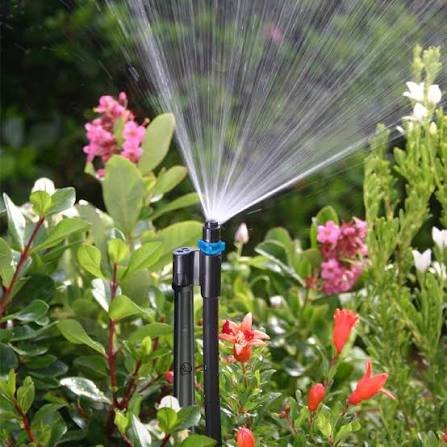
Pressure irrigation systems use pumps to maintain consistent water pressure throughout the irrigation network. The system typically includes several important components, such as:
Pump stations
Mainline pipes
Valves
Lateral pipes
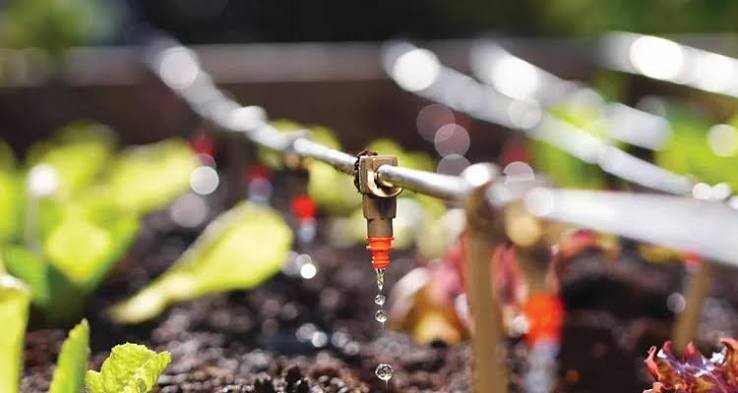
Sprinklers or drip irrigation equipment
These components work together to ensure that water reaches the required areas at the appropriate pressure and flow rate.
Improved Uniformity in Water Distribution
One of the main advantages of pressure irrigation systems is their ability to provide more uniform water distribution.
In traditional irrigation systems, water flow can be affected by differences in terrain, soil conditions, and elevation. Areas located closer to the water source may receive more water, while distant or elevated areas may receive less.
Pressure irrigation systems help overcome these challenges by maintaining consistent pressure throughout the network. This allows plants and crops to receive a more even amount of water, supporting healthier and more consistent growth.
Greater Efficiency and Water Conservation
Pressure irrigation systems can significantly improve water-use efficiency. By controlling the pressure and flow of water, these systems help reduce unnecessary water loss caused by:
Runoff
Water pooling
Excessive evaporation
Uneven irrigation
Modern pressure irrigation systems can also be combined with timers, moisture sensors, and automated controls. These technologies allow irrigation to take place only when and where water is needed, helping conserve valuable water resources.
Flexibility and Adaptability
Another important advantage is the flexibility of pressure irrigation systems. They can be used in a wide range of applications, including:
Agricultural fields
Commercial landscapes
Residential gardens
Greenhouses
Orchards and vineyards
The system can be customized according to crop requirements, plant growth stages, soil types, field layouts, and available water sources. This makes pressure irrigation suitable for both small gardens and large agricultural operations.
Reduced Maintenance and Longer System Life
A properly designed pressure irrigation system can also reduce maintenance requirements and extend the lifespan of irrigation equipment.
Regular inspections are still important. Users should check for leaks, clean filters, inspect valves, and ensure that the system operates at the recommended pressure level.
Maintaining the correct pressure helps prevent excessive stress on pipes, fittings, pumps, and other components, reducing the risk of premature damage and costly repairs.
Better Control and Monitoring
Pressure irrigation systems provide greater control over water distribution. Automated controllers can be programmed to create irrigation schedules based on plant requirements, weather conditions, and soil moisture levels.
Modern systems can also include pressure sensors, moisture sensors, and remote monitoring technologies. Depending on the system, users may be able to adjust irrigation settings and monitor performance through mobile applications or digital platforms.
Real-time monitoring makes it easier to identify pressure problems, leaks, or irregular water distribution before they become major issues.
Cost-Effectiveness in the Long Term
Although pressure irrigation systems may require a higher initial investment than basic irrigation solutions, they can provide significant long-term financial benefits.
Improved water efficiency can reduce water consumption, while better distribution can support healthier plants and crops. Reduced runoff, lower maintenance requirements, and longer equipment life can also help decrease operating and replacement costs over time.
For agricultural businesses, commercial properties, and large gardens, these savings can make pressure irrigation a cost-effective investment.
Conclusion
Pressure irrigation systems offer an efficient way to improve water flow and distribution. By maintaining consistent pressure, these systems provide more uniform irrigation, reduce water waste, and allow users to manage water resources more effectively.
Their flexibility makes them suitable for agriculture, commercial landscapes, and residential gardens, while modern monitoring and automation technologies provide greater control over irrigation operations.
With proper installation, regular maintenance, and appropriate pressure management, a pressure irrigation system can improve plant health, conserve water, reduce waste, and provide long-term operational benefits.