- 05-12-2026
- 0
Tips for Maintaining Saw Blade Efficiency
Maintaining the efficiency of your saw blade is essential for making precise cuts and extending the lifespan of your equipment.
In this guide, we will explore practical tips and recommendations to help you keep your saw blades in top condition. Whether you are an experienced professional or a DIY enthusiast, these strategies will ensure your blades perform at their highest level.
Understanding the Importance of Proper Maintenance
Proper maintenance of saw blades is crucial for preserving cutting accuracy and extending their lifespan. Regular care can prevent dullness and potential damage to both the blades and your projects. When you invest in quality tools, maintaining them should become part of your routine. It is not only about achieving the best cuts, but also about ensuring the blade’s longevity and minimizing wear on your saw. This approach not only improves performance but also protects your investments in the long run.
The importance of maintenance goes beyond the tool itself. A well-maintained saw blade can significantly improve the overall quality of your work, whether you are making furniture or working on larger construction projects. Efficient blades reduce the strain on your saw’s motor and ensure every cut is clean and accurate. Any small mistake caused by a dull blade can multiply throughout the project, resulting in wasted materials and effort. By keeping your blades in optimal condition, you reduce the likelihood of such issues and ensure smoother and more efficient project completion.
Once you understand the mechanics and potential risks of operating without proper maintenance, it becomes easier to recognize the necessity of regular upkeep. A small amount of effort spent on your blades can greatly reduce the time spent fixing mistakes or dealing with malfunctions. Consider making blade maintenance a part of your project workflow and ensure that you always start with equipment in top condition. This foresight is an essential skill for both beginners and experienced professionals looking to optimize their work processes.
Clean Your Saw Blades Regularly
Cleaning removes resin, pitch, and debris buildup that can affect blade performance. Use a soft brush and a specialized cleaning solution for regular maintenance to ensure the blade remains sharp and clean. This process not only keeps the blade looking new but also improves its cutting efficiency by reducing friction. Accumulated debris can cause the blade to overheat and dull prematurely, requiring more frequent sharpening or replacement. Regular cleaning is a simple yet essential step in your maintenance routine.
Choosing the right cleaning products is also important. Some solvents can be too harsh and may corrode or weaken the blade material. Choose solutions specifically designed for saw blade maintenance. Before beginning the cleaning process, make sure your saw is unplugged or the battery is removed. Safety should always be your priority when handling tools and chemicals. Gently scrubbing along the teeth of the blade and removing stubborn dirt can greatly improve your blade’s performance once reinstalled. A properly cleaned blade is a happy blade.
Regular cleaning also provides an opportunity for quick inspection. While cleaning, you may notice broken teeth or minor damage that previously went unnoticed. Identifying these early can help prevent more serious problems in the future. If you encounter stubborn residue, soaking the blade in a cleaning solution for a few minutes can help loosen it. Remember to dry the blade thoroughly after cleaning to prevent rust.
Sharpening Techniques and Tools
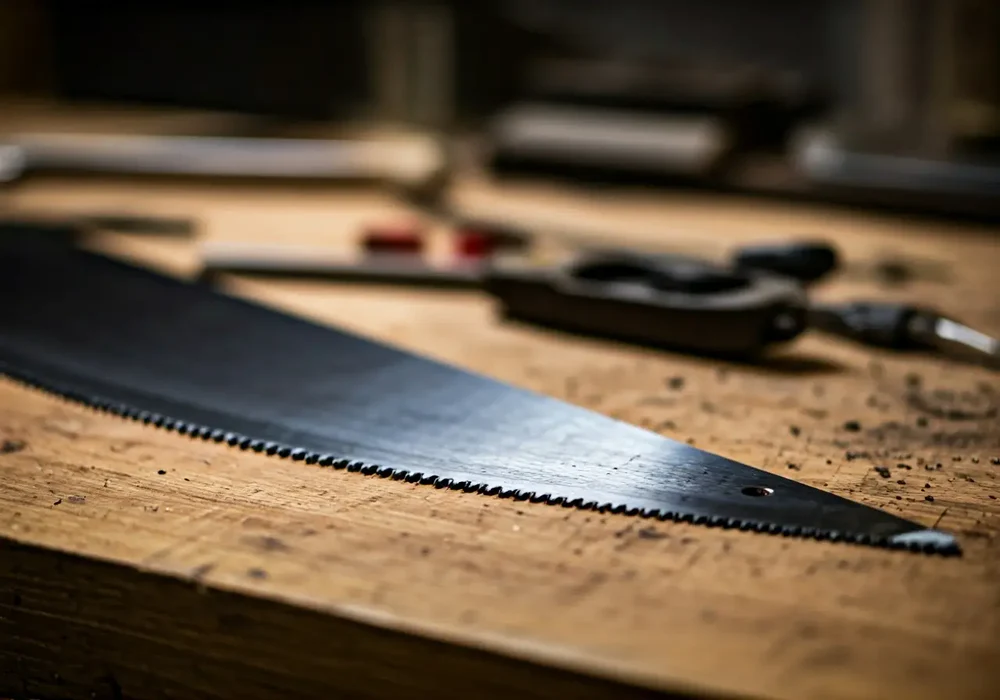
Keeping your saw blade sharp is extremely important. Learn how to use sharpening stones, files, or specialized sharpening machines to maintain the blade edge and ensure your cuts remain smooth and precise. Sharpening is a skill that, once mastered, can significantly extend the lifespan of your tools. Whether you prefer manual sharpening with a file or using an electric sharpener, consistency is key. Regular, light sharpening prevents blades from becoming excessively dull, which would require more aggressive grinding that removes unnecessary amounts of material.
Different blades require specific sharpening methods. For example, circular saw blades are easier to sharpen using a machine designed for their unique shape. Meanwhile, hand saws may benefit from carefully performed manual sharpening. Understanding these nuances helps preserve the blade’s original craftsmanship. If you frequently work on projects requiring precision, consider setting up a dedicated sharpening station. This space will serve as a constant reminder of the importance of maintaining your blades. Investing in high-quality sharpening tools is equally important, as they directly affect the quality of your sharpening results.
Inspect for Damage and Wear
Regular inspections can help identify wear, cracks, or other damage at an early stage. Checking the blade’s alignment and teeth ensures it operates safely and efficiently. Make it a habit to inspect the blade before and after every job. Pay attention to any irregularities such as missing teeth or bends that could compromise the blade’s structure. A proactive approach to identifying wear and damage helps address potential problems before they worsen, saving you time and resources in the long run.
Proper Storage of Blades
Proper storage of saw blades can prevent damage and dullness. Store them in a dry and secure place, ideally hanging or in a blade organizer, to avoid unnecessary contact and damage. Humidity and moisture are enemies of your blades and can lead to rust if not controlled. Consider using protective covers or sleeves if adjacent storage areas may cause accidental contact or scratches. Implementing an organized storage system not only protects your blades but also provides easy accessibility, simplifying the start of your projects.
Randomly stored blades can hit hard surfaces, leading to chips or dull edges. By organizing your storage area, you can easily categorize and locate the correct blade while minimizing unnecessary handling and potential damage. If space is limited, using vertical storage options can maximize your available area while ensuring blades remain in optimal condition. Remember that proper storage is a key aspect of blade maintenance and is often overlooked, yet fundamentally important for preserving longevity and performance.
Ensuring the Longevity and Precision of Your Saw Blades
By applying these tips, you can ensure your saw blades remain efficient and reliable, resulting in sharper cuts and extended blade life. Regular maintenance not only saves time and money but also enhances your woodworking or construction projects. Remember, a well-maintained blade is the key to achieving the best results.