- 08-21-2026
- 0
The Gardener’s Toolbox: Essential Tools and Tips for Maintaining Your Garden
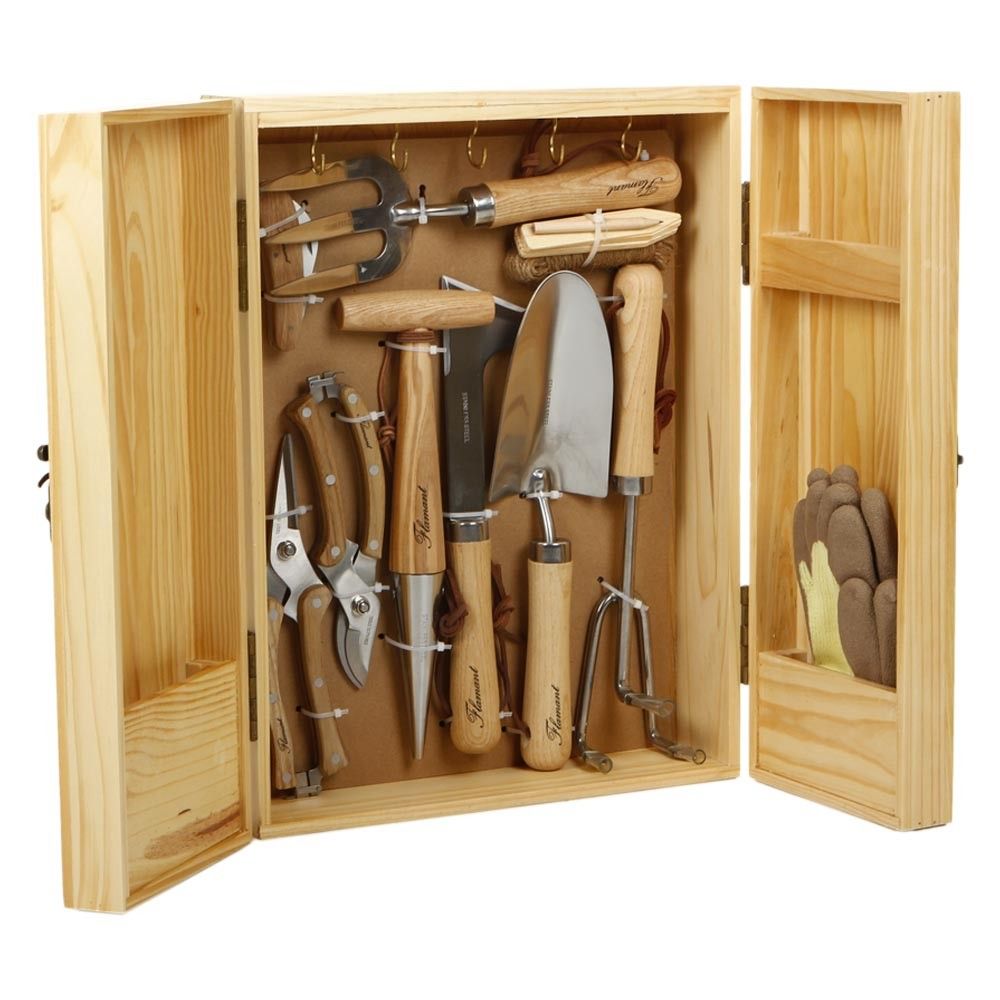
Whether you are a beginner gardener or an experienced professional, having the right tools can make garden maintenance easier, more efficient, and more effective.
For professional gardeners, choosing the right equipment is not only about making work easier. The right tools also help protect plants, improve maintenance quality, and keep gardens healthy and attractive throughout the season.
As you prepare your garden for the growing season, consider the following essential tasks.
1. Prepare Garden Beds
Preparing the soil is one of the first steps toward a successful growing season.
- Remove debris, weeds, and dead plants from garden beds;
- Loosen compacted soil using a garden fork or suitable tilling equipment;
- Improve soil aeration and drainage;
- Add compost or organic matter to enrich the soil with nutrients.
Well-prepared soil provides a healthy foundation for new plants.
2. Plant Vegetables, Fruits, and Herbs
Spring and summer are suitable seasons for planting many different vegetables, fruits, and herbs.
Examples include:
- Lettuce;
- Spinach;
- Raspberries;
- Strawberries;
- Mint;
- Parsley and many other plants.
Before planting, consider your local climate and frost conditions to determine the appropriate planting time.
3. Start Seeds Indoors
Seeds of warm-season vegetables such as tomatoes, peppers, and eggplants can often be started indoors. Flowers and herbs can also benefit from early indoor germination.
For successful seed starting:
- Use seed trays or suitable containers;
- Choose a quality seed-starting mix;
- Provide sufficient light;
- Maintain appropriate moisture during germination.
Starting seeds indoors can give young plants a stronger start before they are moved outdoors.
4. Prune Shrubs and Trees
Regular pruning helps maintain the health, shape, and appearance of trees and shrubs.
- Remove dead or damaged branches;
- Trim overgrown shrubs to maintain their shape;
- Use sharp and appropriate pruning tools;
- Follow proper pruning techniques to minimize damage to plants.
High-quality pruning tools make cutting cleaner, easier, and more precise.
5. Monitor Pests and Diseases
Regularly inspecting plants is essential for detecting pests and diseases at an early stage.
Look for signs such as:
- Holes in leaves;
- Chewed foliage;
- Yellowing leaves;
- Weak or damaged plants;
- Unusual marks on leaves or stems.
When problems are identified, appropriate measures can be taken, including manually removing pests, using suitable plant protection products, and applying preventive practices.
6. Maintain the Lawn
Regular lawn care is essential for maintaining a healthy and attractive green space.
- Remove leaves and debris from the lawn;
- Aerate compacted areas;
- Improve the absorption of water and nutrients;
- Follow an appropriate watering and mowing schedule.
Proper lawn maintenance helps keep grass dense, healthy, and green.
7. Plan and Design Your Garden
Planning your garden before the growing season can make maintenance and planting much more efficient.
When selecting plants and arranging garden beds, consider:
- Sun exposure;
- Soil type and condition;
- Irrigation requirements;
- Plant compatibility;
- Available planting space.
A well-planned garden is not only more attractive but also easier to maintain.
Conclusion
Successful gardening depends on using the right tools, following proper maintenance practices, and taking care of plants at the right time. From soil preparation and pruning to pest control and lawn maintenance, every step contributes to a healthier and more attractive garden.
With the right tools, proper planning, and regular care, you can keep your garden healthy, beautiful, and well-maintained throughout the growing season.