- 11-13-2026
- 0
Common irrigation aystem problems and how to prevent them
Irrigation system problems rarely develop overnight. Sediment gradually accumulates in drip emitters, pipe joints weaken over time, and pressure losses lead to uneven water distribution. By the time a problem becomes noticeable, its underlying cause may have been developing for weeks or even months.
That is why regular irrigation system maintenance is essential. Routine inspections help identify minor faults early, reduce water waste, and prevent more serious and expensive repairs.
What Are the Most Common Irrigation System Problems?
Most irrigation system problems fall into five main categories:
Clogging: Sediment, algae, and mineral deposits restrict water flow through filters and drip emitters.
Low water pressure: Insufficient pressure prevents water from reaching all areas of the irrigation system.
Uneven water distribution: Some areas receive too much water, while others remain under-watered.
Leaks and pipe damage: Water escapes through damaged pipes, valves, and connections.
Fertigation problems: Incorrect fertilizer dosing or uneven nutrient distribution affects plant growth.
These problems often result from a mismatch between the system's design, the equipment selected, and the actual conditions in which it operates.
Clogged Filters and Drip Emitters
One of the most common irrigation problems is clogging. Sand, silt, algae, and mineral deposits gradually accumulate inside filters and drip emitters, restricting water flow and reducing irrigation efficiency.
Common causes
High sediment levels in water from wells and other open water sources.
Rapid algae growth and organic debris accumulation during warmer weather.
Mineral deposits caused by hard water.
Cleaning filters according to a fixed schedule without considering actual water conditions.
How to prevent clogging
Choose filters that match the water source and the type of contaminants present. Depending on the conditions, screen filters, disc filters, or other suitable filtration solutions may be required.
Inspect filters regularly and monitor changes in pressure differential.
Flush irrigation lines periodically to remove accumulated sediment.
Consider an additional filtration stage when the water contains high levels of suspended particles.
Proper filtration helps maintain a consistent water supply and extends the service life of irrigation equipment.
Low Pressure and Uneven Water Distribution
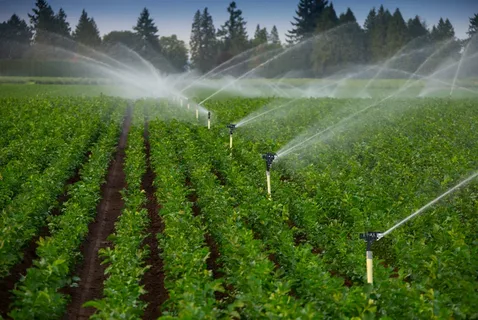
Low water pressure often becomes apparent when different parts of an irrigation area receive unequal amounts of water. The problem is particularly noticeable in long pipelines and sections located far from the water source.
Common causes
Pipe diameters that are too small for the required flow rate.
Friction losses along long pipeline sections.
Incorrect valve settings for irrigation zones with different water requirements.
Leaks or partial blockages that restrict downstream water flow.
How to prevent the problem
Select pipe diameters based on the system's actual flow requirements.
Use appropriate valves and control equipment to manage individual irrigation zones.
Inspect pipelines and connections regularly for leaks.
Avoid installing a more powerful pump before identifying the cause of the pressure loss. If the problem results from incorrectly sized pipes, replacing the pump may not solve it.
Proper pressure management helps distribute water more evenly throughout the irrigation area.
Leaks, Cracked Pipes, and Joint Failures
Some leaks are easy to identify because they create wet patches in otherwise dry soil. However, small leaks in underground pipes and connections can remain unnoticed for a long time, wasting water and reducing pressure elsewhere in the system.
Common causes of leaks
Poorly sealed pipe joints during installation.
Gradual deterioration of pipes exposed to direct sunlight.
Mechanical damage, ground movement, and other external impacts.
Incompatible pipes, fittings, and connection components.
How to reduce the risk of leaks
Check that all joints are properly sealed during installation.
Protect pipes that remain exposed to direct sunlight for extended periods.
Inspect pipes and fittings before the start of each irrigation season.
During repairs, use compatible components with appropriate pressure ratings.
Regular inspections help prevent minor leaks from developing into more serious system failures.
Fertigation Problems and How to Prevent Them
Fertigation involves delivering fertilizers through irrigation water. It is an efficient way to supply plants with essential nutrients, but incorrectly configured systems can distribute fertilizers unevenly or allow residues to accumulate inside the equipment.
Common problems
Injectors or fertilizer tanks that are unsuitable for the required dosing volume.
Different fertilizer concentrations reaching separate irrigation zones.
Chemical incompatibility between fertilizers and the materials used in injectors or other components.
How to prevent fertigation problems
Select fertigation equipment according to the required application volume and dosing schedule.
Flush the lines with clean water after fertilizer application, following the manufacturer's instructions.
Check injector performance and dosing accuracy regularly.
Confirm that the fertilizers being used are compatible with the system's components.
A properly configured fertigation system helps deliver nutrients more consistently to plants.
Irrigation System Maintenance Checklist
Regular preventive maintenance makes it easier to identify faults before they affect the entire irrigation system.
Check filter condition and monitor pressure differentials.
Clean irrigation pipelines and drip emitters periodically.
Inspect pipe joints and exposed sections for leaks and damage.
Verify that valves and irrigation zones are correctly adjusted.
Watch for uneven plant growth, which may indicate water distribution problems.
Check the compatibility of replacement components whenever the system is repaired or expanded.
Why Is Your Irrigation System Not Working Properly?
Poor irrigation performance does not always indicate a major equipment failure. The underlying cause may be a clogged filter, pressure loss along the pipeline, a hidden leak, or incorrectly adjusted valves.
Start by checking the filters and water flow. Next, measure the system pressure, inspect pipe connections, and verify valve settings. Weak water flow at distant points may indicate pressure losses, while uneven watering between plants may suggest clogging or a distribution problem.
Once the cause has been identified, carry out the appropriate repairs and system adjustments rather than replacing components at random.
Conclusion
Clogging, pressure loss, leaks, and uneven water distribution are common irrigation problems that can often be prevented through regular maintenance. Cleaning filters, inspecting pipelines, and adjusting valves correctly help conserve water and extend equipment lifespan.
When selecting an irrigation system for a garden or landscaped area, prioritize quality equipment, proper installation, and routine maintenance. These measures help ensure reliable operation, more uniform watering, and efficient water use.