- 11-09-2026
- 0
Irrigation pressure: how to achieve an efficient irrigation system
Maintaining the right balance between water pressure and flow rate is essential for an efficient irrigation system. These two factors directly affect how evenly water is distributed, whether plants receive the water they need, and how much water is wasted. Measuring and adjusting pressure and flow rate correctly helps ensure healthier plants and more efficient water use.
What Are Irrigation Pressure and Flow Rate?
Water pressure is the force that moves water through pipes and irrigation equipment. Flow rate refers to the volume of water passing through the system over a specific period, usually measured in litres per minute.
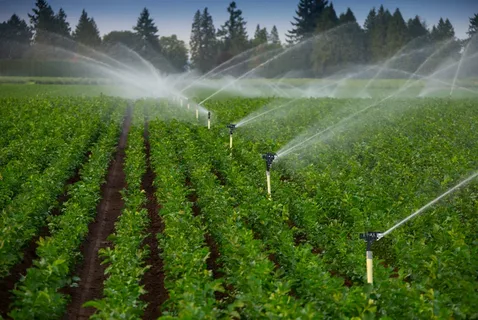
Low pressure may prevent water from reaching every part of the irrigation area. Excessive pressure, on the other hand, can cause uneven spraying, leaks, and damage to irrigation components.
For optimal performance, both pressure and flow rate must meet the technical requirements of the sprinklers, pipes, and other equipment used in the system.
How to Measure Irrigation Pressure and Flow Rate
Two simple tools can help you assess whether your irrigation system is operating correctly:
Pressure gauge: Measures the water pressure within the irrigation system.
Measuring container and stopwatch: Help estimate flow rate by measuring the volume of water collected over a set period.
For example, measuring the amount of water collected in one minute provides a flow rate in litres per minute. These measurements can help identify insufficient pressure or unexpected changes in water flow.
What Happens When Irrigation Pressure Is Incorrect?
Water pressure that is either too high or too low can significantly affect irrigation performance.
Excessive water pressure:
Can lead to uneven sprinkler distribution.
Increases the risk of leaks at pipe connections and other components.
May damage solenoid valves, fittings, and other equipment.
Insufficient water pressure:
May prevent water from reaching all areas.
Can reduce sprinkler coverage and spraying distance.
May cause some plants to receive too much water while others remain under-watered.
Both situations can reduce system efficiency and increase water waste.
How to Adjust Irrigation System Pressure
Several solutions can help maintain the correct pressure and improve irrigation performance:
Pressure regulators: Help maintain suitable pressure levels and protect equipment from excessive pressure.
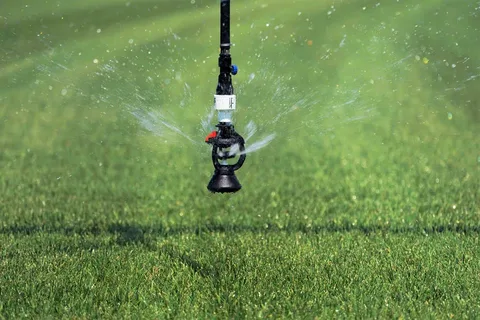
Suitable irrigation equipment: Sprinklers and other components designed for specific pressure and flow conditions can improve water distribution.
Automatic controllers and programming systems: Divide irrigation areas into zones and help distribute water according to the needs of each area.
The right solution depends on the water source, the size and layout of the area, and the technical specifications of the irrigation equipment.
Efficient Irrigation Starts with the Right Pressure
Regularly checking your irrigation system and maintaining the correct pressure can support healthy plant growth while reducing water waste. Periodic pressure and flow rate measurements also help identify potential problems early and extend the service life of irrigation equipment.
When choosing an irrigation system for a garden or landscaped area, consider the site's characteristics, the capacity of the water source, and the requirements of the equipment. A properly designed and balanced system helps deliver more uniform irrigation and use water efficiently.