- 11-23-2026
- 0
Garden Design and Decoration: How to Transform Your Outdoor Space
In our increasingly indoor-oriented lives, outdoor spaces have become more important than ever. Gardens and yards provide an opportunity to escape from everyday routines, enjoy fresh air, relax, and restore both physical and mental well-being. For this reason, transforming gardens into beautiful, functional spaces that serve as natural extensions of our homes has become an increasingly popular design goal.
The Potential for Garden Transformation
Gardens offer significant potential not only to enhance the appearance of a property but also to improve overall quality of life. Whether it is a spacious lawn, a small backyard, or even a balcony garden, every outdoor area provides an opportunity for creativity and personal expression.
A well-designed garden can become a natural habitat for wildlife, a productive space for growing fruits and vegetables, or a peaceful retreat for relaxation. Each approach offers unique benefits and helps create a more enjoyable outdoor environment.
Tailored Design Ideas for Every Space
Outdoor spaces vary in size, structure, and purpose, while homeowners have different preferences and expectations. Therefore, garden design should be tailored to the specific characteristics of each area.
There are numerous possibilities to explore, including low-maintenance landscapes, edible gardens, wildlife-friendly environments, and vertical gardening solutions. Each approach aims not only to improve the visual appeal of an outdoor space but also to make it more practical and functional.
Understanding Your Garden's Potential
Assessing the Space
Before starting a garden transformation project, it is important to evaluate the size of the area, soil type, and orientation. These factors provide the foundation for making effective design decisions.
The available space determines how plants, decorative features, pathways, and water elements can be arranged. Soil characteristics, whether clay, sandy, loamy, or chalky, influence which plants are most suitable for the environment.
Garden orientation is equally important. Whether the space faces north, south, east, or west affects the amount of sunlight it receives. Understanding these conditions helps support healthy plant growth and ensures that the available space is used efficiently.
Identifying Your Goals
Alongside evaluating the physical characteristics of the garden, it is essential to determine how you want to use the space.
Some homeowners imagine a peaceful retreat surrounded by fragrant flowers, comfortable seating, and relaxing water features. Others prefer an entertainment area with spacious seating arrangements, barbecue facilities, or an outdoor kitchen for spending time with family and friends.
Another option is to create a productive garden filled with fruit trees, vegetable patches, and aromatic herbs. Defining these goals from the beginning helps ensure that the final design is both attractive and functional.
Essential Principles of Garden Design
Unity and Harmony
One of the main objectives of garden design is to create a cohesive outdoor environment that complements the architectural style of the home and the surrounding landscape.
To achieve this, consider using materials, colours, and decorative features that reflect the exterior design of your property. Natural stone, wooden elements, ornamental plants, and coordinated colour palettes can help connect the garden and the home visually.
This sense of unity creates a more balanced atmosphere and makes the outdoor space feel like a natural extension of the living area.
Balance and Proportion
An attractive garden requires careful placement of plants, decorative features, and hard landscaping elements. Their sizes and proportions should correspond to the overall dimensions of the garden.
Symmetrical garden designs use balanced arrangements on both sides of a space, creating a formal and organised appearance. Asymmetrical designs combine different shapes, sizes, and elements to achieve a more dynamic and natural atmosphere.
Both approaches can produce beautiful results when visual balance is maintained.
Colour and Texture
Colour schemes and textures play an important role in shaping the overall appearance of a garden. Colours can draw attention to specific features, create different moods, and highlight decorative elements.
Combining plants with different leaf shapes, flower colours, stone surfaces, wooden finishes, and garden accessories adds visual depth and character. Selecting plants that change throughout the seasons also helps maintain the garden's appeal all year round.
Innovative Garden Design Ideas
Low-Maintenance Gardens
Creating a beautiful garden does not necessarily require constant attention or extensive maintenance. The key is selecting hardy plants that suit local climate conditions and require minimal watering and care.
Perennials, ground-cover plants, and durable ornamental shrubs can maintain an attractive appearance over time. Sustainable materials, such as natural stone and recycled paving, also provide practical and environmentally conscious landscaping solutions.
With thoughtful planning, a low-maintenance garden can remain an inviting outdoor retreat without demanding too much time and effort.
Edible Gardens
Incorporating edible plants into garden design combines practicality with visual appeal. Fruit trees can serve as attractive focal points, while vegetable patches introduce different colours and textures throughout the seasons.
Aromatic herbs can be planted along pathways, around flower beds, or in dedicated decorative areas. An edible garden provides access to fresh produce while encouraging a closer connection with nature and the food we consume.
Wildlife-Friendly Gardens
A wildlife-friendly garden creates a welcoming environment for birds, bees, butterflies, and other local species. Native plants are particularly valuable because they provide natural food sources and shelter for wildlife.
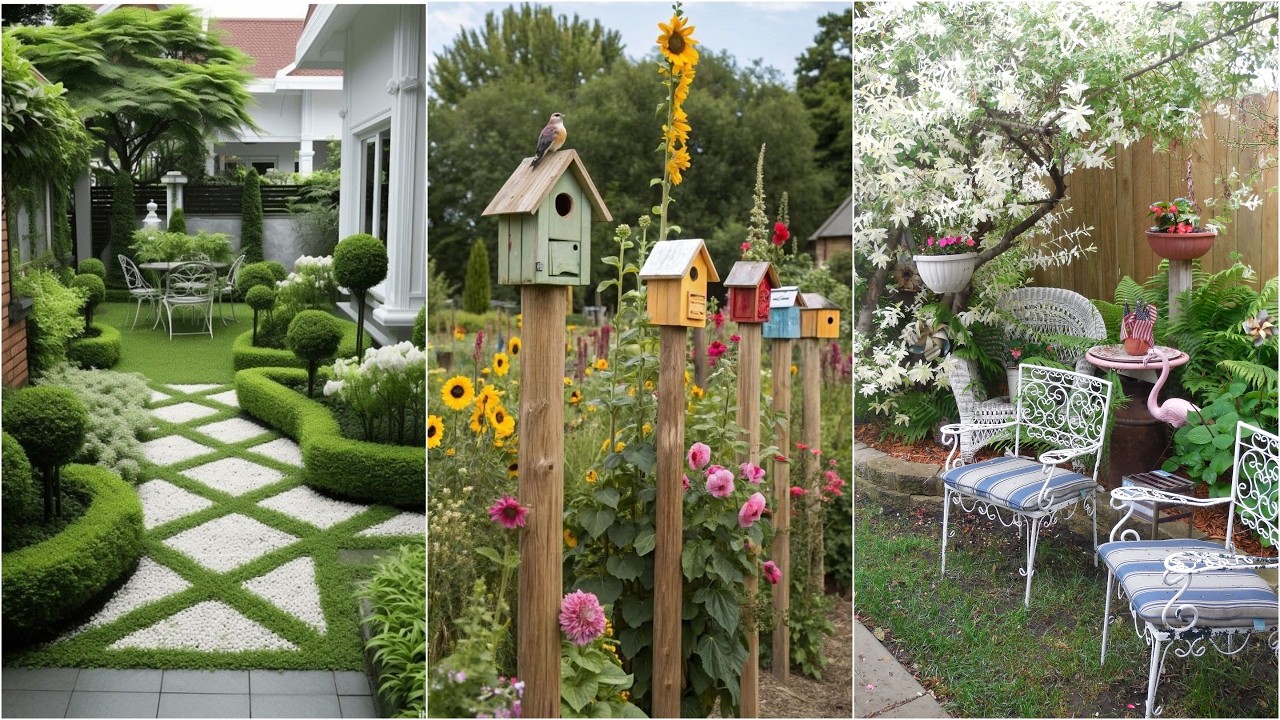
Small ponds, bird baths, log piles, and birdhouses can further support biodiversity. These features help transform an ordinary garden into a small, living ecosystem that can be enjoyed throughout the year.
Vertical Gardening
For smaller gardens, balconies, and terraces, vertical gardening offers an effective way to maximise available space. Climbing plants, wall-mounted planters, and decorative trellises can transform empty walls and fences into attractive green features.
This approach makes better use of limited space, improves privacy, and can help reduce surrounding noise. Vertical greenery may also create beneficial microclimates around living areas, making it both a practical and visually appealing solution.
Making the Most of Your Garden Features
Water Features
Ponds, fountains, and artificial waterfalls can completely transform the atmosphere of a garden. They create attractive focal points while introducing a sense of calm and connection with nature.
Small ponds can provide habitats for different forms of wildlife. Meanwhile, the gentle sound of fountains and waterfalls creates a relaxing environment and can help mask unwanted background noise.
When incorporating water features, consider their placement carefully to ensure they complement the overall garden design and provide the greatest visual impact.
Outdoor Living Areas
Comfortable outdoor living areas are essential for making the most of a garden. Different seating arrangements can accommodate everything from intimate family gatherings to larger social events.
Dining areas should ideally be positioned close to the kitchen or barbecue facilities to make outdoor meals more convenient. Outdoor kitchens can range from simple grilling stations to fully equipped cooking spaces, depending on individual needs and preferences.
Choosing weather-resistant furniture and materials, along with providing suitable storage solutions, helps ensure durability and long-term functionality.
Lighting and Decorative Accessories
Effective garden lighting improves both safety and visual appeal, particularly during the evening. Functional lights can be installed along pathways, while accent lighting can highlight trees, plants, water features, and decorative elements.
Solar-powered lights offer an energy-efficient and environmentally friendly option. Decorative cushions, outdoor rugs, and other accessories can also introduce personality and make the garden feel more welcoming.
It is important to select accessories and materials specifically designed to withstand outdoor weather conditions.
Planning and Implementing Your Garden Design
Creating a Design Plan
Before starting a garden transformation, it is important to prepare a detailed design plan. The first step is establishing a realistic budget that covers plants, construction materials, decorative elements, and potential labour costs.
A project timeline should also be prepared, taking into account suitable planting seasons and the time required to complete different stages. Soil preparation, planting, pathway construction, and patio installation should all be included in the overall schedule.
A structured approach makes the project easier to manage and helps minimise unexpected expenses.
Choosing Plants and Materials
Selecting suitable plants, materials, and accessories is essential for achieving the desired appearance and functionality.
Choices should reflect the overall garden style while considering local climate conditions and soil characteristics. Whether the preferred design is minimalist, classic, or nature-inspired, all elements should work together to create a harmonious environment.
Choosing native plants and environmentally friendly materials can reduce environmental impact and simplify garden maintenance. Outdoor furniture and accessories should also complement the overall design concept.
Bringing the Design to Life
Turning a garden design into reality requires careful preparation and organised execution. While some tasks can be completed independently, more complex landscaping projects, electrical installations, and outdoor lighting systems may require professional assistance.
During implementation, it is important to follow applicable local building and planning regulations. Flexibility is also valuable, as unexpected challenges may require adjustments to the original design.
Garden creation is not a one-time activity. As plants grow and personal preferences or practical needs change, the outdoor space can continue to evolve and improve.
The Transformative Power of Garden Design
Thoughtful garden design can turn an ordinary outdoor area into a functional and beautiful extension of the home. Its benefits go beyond visual improvements. By combining nature with creativity, it creates an environment that encourages relaxation, inspiration, and social interaction.
Whether through calming water features, carefully arranged plants, or productive edible gardens, every design element contributes to the overall atmosphere and enhances the outdoor living experience.
Where to Begin Your Garden Transformation
For anyone considering a garden renovation, the best approach is to start with manageable projects that reflect personal preferences and available budgets. Garden design is not something that needs to be completed all at once. It is an ongoing process that develops alongside changing lifestyles, tastes, and needs.
Even small initial improvements can provide a strong foundation for future enhancements. Watching an outdoor space gradually develop into a comfortable and personalised retreat can be an especially rewarding experience.
Take the first step towards creating a garden that reflects your individual style, strengthens your connection with nature, and provides a welcoming place to enjoy every day.