- 11-27-2026
- 0
How to Create Flow Between Your Home and Garden
The design of your home should extend beyond its interior spaces. If you enjoy spending time outdoors, creating a harmonious connection between your home and garden can significantly improve your overall living experience.
The main goal is to connect indoor and outdoor areas in a natural and practical way. This can be achieved by bringing elements of nature into your interior or creating convenient pathways from your home to your favourite outdoor spaces. Carefully selected architectural details, doors, windows, lighting, and decorative features can help establish a seamless connection between the two environments.
Especially during warmer months, having easy access between your home and garden encourages you to spend more time outdoors. But how can you create a functional and visually appealing relationship between these spaces?
Remove Physical Barriers
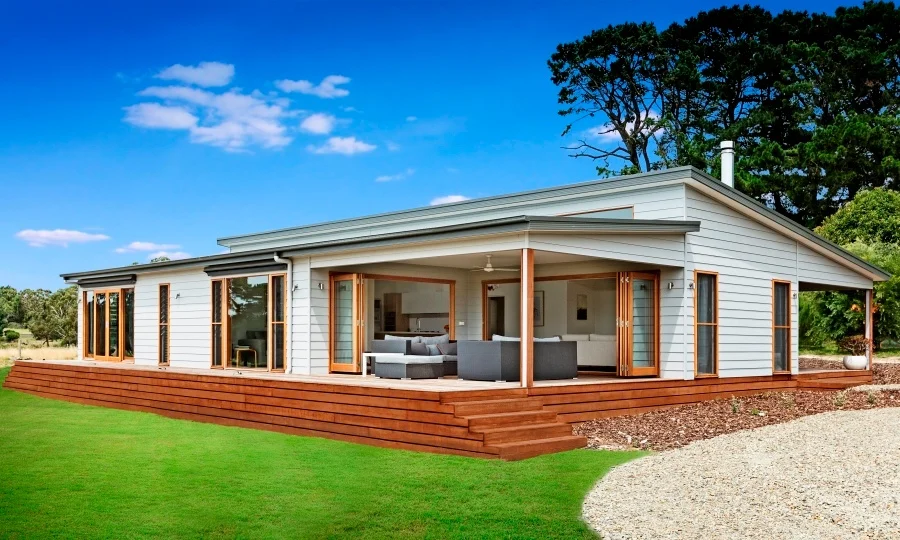
One of the most effective ways to connect your home and garden is to minimise physical barriers between indoor and outdoor areas. Bi-fold doors are an excellent solution, as they open up wide and allow living spaces to extend naturally into the garden or patio.
Sliding glass doors are another practical option. They provide direct access from living rooms, bedrooms, and other suitable areas to the garden or outdoor decking. Having multiple access points encourages residents to step outside more frequently and makes the outdoor environment easier to enjoy.
Another interesting design feature is a bi-fold window connecting the kitchen to the decking or terrace. This allows the person preparing meals to stay connected with family members and guests outside. It is both a practical and visually appealing way to improve the functionality of the space.
Let in the Views, Natural Light, and Fresh Air
Incorporating large windows into your home design creates a visual connection between the interior and the surrounding landscape. Properly positioned windows allow natural light to enter, frame attractive views, and improve indoor ventilation.
Picture windows are particularly effective in homes located in scenic environments. Whether the property is situated near the coast, in the mountains, or surrounded by greenery, panoramic glazing can make the surrounding landscape an integral part of the interior design.
Louvre windows are also a practical option for improving ventilation. They allow you to regulate airflow while making better use of natural breezes and daylight.
Include a Terrace and Outdoor Living Area
Creating a comfortable outdoor seating area with direct access to the garden makes outdoor living more enjoyable. Wooden decking, covered verandas, and dedicated outdoor relaxation areas are all excellent options.
Keeping the terrace floor at the same level as the interior flooring creates a smoother transition between indoor and outdoor spaces. It also contributes to a more cohesive design. Combining natural materials such as timber and stone can further connect the architectural style of the home with the surrounding garden.
For example, wide bi-fold doors can lead from the living room to a covered terrace, which then connects to other areas of the garden. This arrangement creates a versatile environment suitable for everyday relaxation and social gatherings with family and friends.
Add Greenery and Natural Elements
To strengthen the connection between your home and garden, consider introducing indoor plants and natural materials into your interior design. Wooden furniture, botanical-patterned fabrics, green decorative cushions, and natural textures can help create a consistent atmosphere.
Using matching or complementary decorative elements indoors and outdoors establishes visual continuity. For example, green cushions in the living room can be paired with similar accessories on outdoor furniture. Matching potted plants can also be placed in both the dining area and on the terrace.
Decorative planters, indoor greenery, small ornamental trees, and accessories made from natural materials make spaces feel more welcoming and lively. The aim is to maintain a consistent design style throughout both the interior and exterior.
Make the Most of Your Indoor and Outdoor Spaces
When designing a home, planning should extend beyond the arrangement of rooms and interior layouts. Gardens, terraces, verandas, and other outdoor areas should also be considered essential parts of the overall design.
When a home provides convenient access to the garden, the entire living environment becomes more spacious, functional, and inviting. During pleasant weather, this creates additional opportunities for family meals, social gatherings, and relaxing outdoors.
With thoughtfully designed doors, large windows, natural materials, greenery, and comfortable seating areas, your home and garden can become one harmonious living environment that combines comfort, functionality, and natural beauty.