
- 03-11-2026
- 0
Portable Solar Generator for Garden Power
A portable solar generator can efficiently power your garden while reducing energy costs and environmental impact.
A lovely garden typically requires more power than you imagine. Items such as water pumps, irrigation, electric pushmowers, and fans contribute to the power required. Power demand can increase during summer when watering is frequent or during winter when greenhouse heating is necessary. Because these requirements vary with the seasons but remain constant throughout the year, relying only on the traditional power grid can become expensive and inefficient.
This is where a portable solar generator becomes useful. It allows you to produce electricity directly from sunlight and power your garden equipment while reducing grid dependency and lowering electricity costs. In addition to being cost-effective, solar energy also reduces carbon emissions, making it a more environmentally friendly choice for gardeners.
Getting to Know Your Portable Solar Generator
A portable solar generator is a compact and self-contained power system that uses sunlight to generate electricity. It provides an eco-friendly and convenient solution for powering devices outdoors or in areas where access to traditional electricity is limited.
Simply Put
Unlike fuel-based generators, solar generators convert sunlight directly into usable electricity through solar panels.
The Technology
Solar panels contain photovoltaic cells that capture sunlight and convert it into DC (direct current) electricity.
The Key Parts
A typical solar generator consists of solar panels, a battery that stores energy, and an inverter that converts DC electricity into AC electricity used by most devices.
How It Works
Solar panels collect sunlight and charge the battery. The stored energy can then power garden tools, outdoor lighting, or other equipment whenever electricity is needed.
Why a Portable Solar Generator Belongs in Your Garden
There are several advantages to using a solar generator to power your garden equipment.
Green Power at Its Best
Solar energy is a clean power source that reduces carbon emissions and helps protect the environment.
Long-Term Savings
After the initial purchase, solar generators do not require fuel and involve minimal maintenance, making them cost-effective over time.
Freedom from the Grid
Solar generators allow you to reduce or completely eliminate dependence on traditional electricity sources.
Peaceful Operation
Unlike fuel generators, solar generators operate silently, allowing you to enjoy the quiet atmosphere of your garden.
Easy to Maintain
Solar generators are durable systems designed for long-term use with minimal maintenance.
Practical Ways to Use Your Portable Solar Generator in the Garden
A portable solar generator can support many different gardening activities.
Power Outdoor Lighting
You can easily power pathway lights, decorative lighting, or garden illumination without long extension cables.
Run Small Appliances
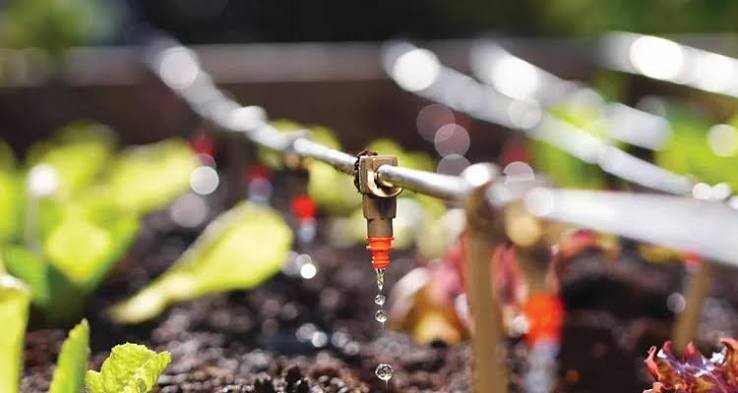
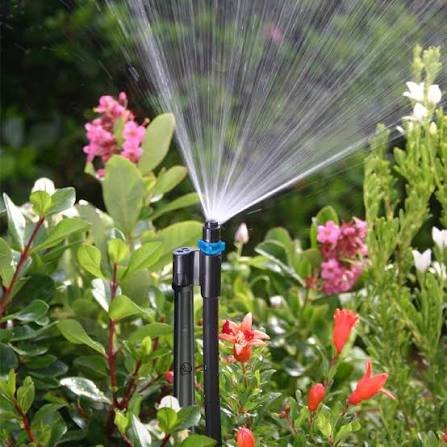
Solar generators can power water pumps, small irrigation systems, or even a mini refrigerator for outdoor use.
Operate Garden Tools
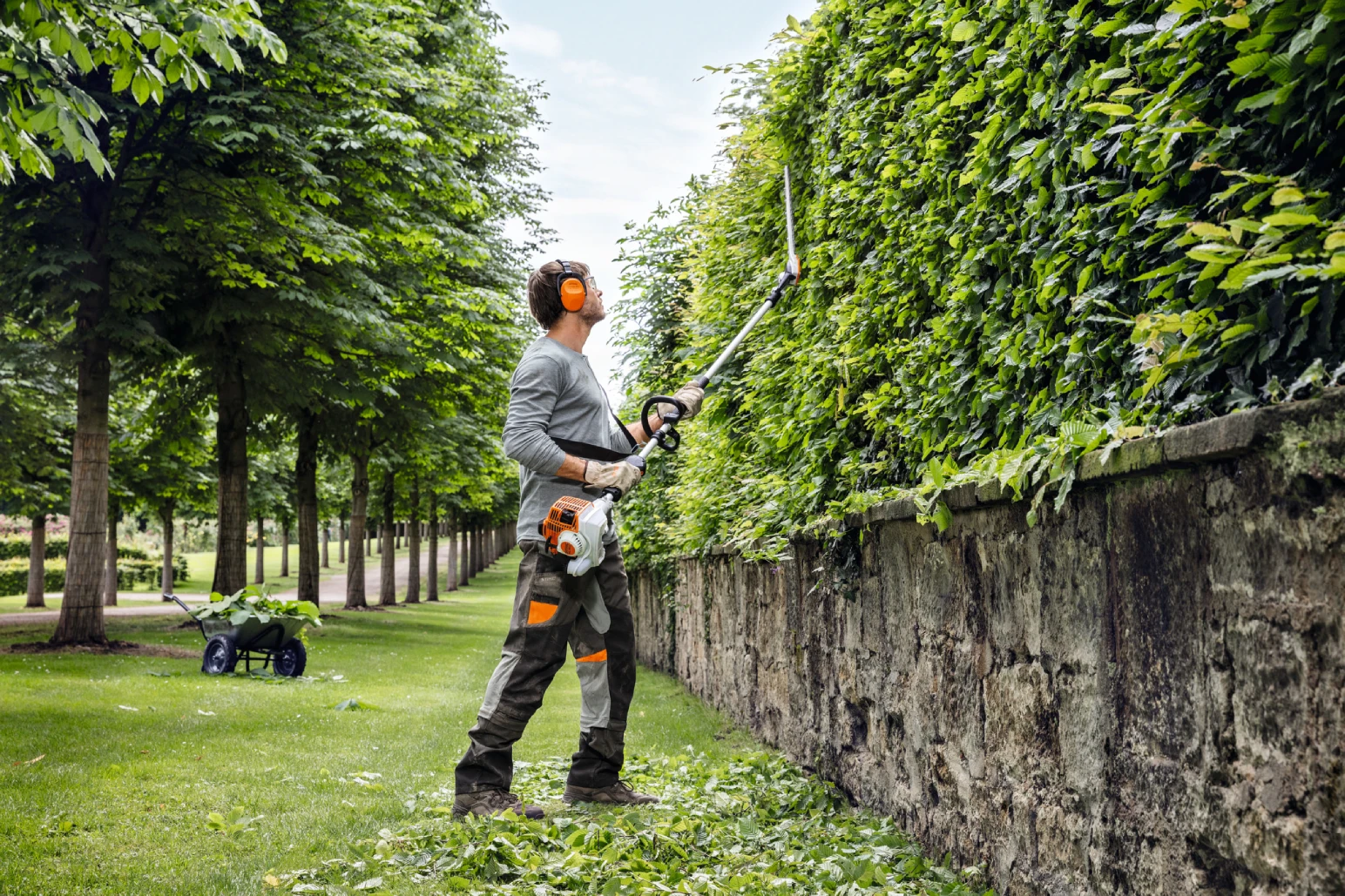
Devices such as leaf blowers, drills, or hedge trimmers can operate smoothly using solar energy.
Heat a Greenhouse
Solar generators can power heaters that maintain a suitable temperature for plants in greenhouses.
Charge Your Devices
Most solar generators include USB ports that allow you to charge smartphones, tablets, or other electronic devices while working in the garden.
Choosing the Right Solar Generator for Your Backyard
Selecting the right generator requires evaluating the power needs of your garden equipment and the capacity of the generator system.
1. Understand the Power Requirements of Your Equipment
Electric Lawn Mower
Usually requires about 500–1500 watts.
Water Pumps and Irrigation Systems
Typically require 100–500 watts.
Outdoor Lights
Each light may require between 10–50 watts depending on brightness.
Power Tools
Tools such as drills, hedge trimmers, and leaf blowers usually require 200–500 watts.
Greenhouse Heaters
Often require 1000–2000 watts depending on greenhouse size and heating needs.
2. Choosing the Right Capacity and Battery Life
Smaller Equipment
A 1000–2000 watt generator is sufficient for small tools and lighting.
Larger Equipment
If you plan to run multiple devices such as lawnmowers, pumps, or heaters, choose a generator in the 3000–5000 watt range.
3. Battery Capacity and Storage
1000Wh – 2000Wh
Suitable for running small garden tools throughout the day.
3000Wh or Higher
Recommended for powering larger equipment such as lawnmowers or greenhouse heaters for extended periods.
4. Power and Output of Inverter
Ensure the inverter power matches the wattage requirements of your devices. In most cases, an inverter rated at 3000 watts or higher can operate the majority of garden appliances.
5. Portability and Size
If you have a large garden area, choosing a lightweight and portable generator design will allow you to move it easily where needed.
Summary: Generator Sizing Recommendations
For Small Gardens
A generator with 1000–2000 watts and a battery capacity of 1000Wh–2000Wh is usually sufficient.
For Medium Gardens
A generator rated between 2000–3000 watts with a battery capacity of 2000Wh–3000Wh is recommended.
For Large Gardens
A generator with 3000 watts or more and a battery capacity of 3000Wh or higher can support heavy equipment demands.
Setting Up Your Portable Solar Generator
Optimal Placement for Charging
Place solar panels in an area with direct sunlight throughout the day and avoid shading from trees or buildings to maximize charging efficiency.
Connecting Your Devices
Most generators provide multiple output ports. Ensure that the total device power does not exceed the generator’s wattage capacity.
Managing and Storing Energy
Use high-power devices during peak sunlight hours and keep the battery fully charged whenever possible for extended usage.
Maintaining Your Portable Solar Generator
Cleaning and Battery Care
Clean solar panels regularly with a soft cloth to maintain performance and keep the battery between 20–80% charge whenever possible.
Storage and Inspections
Store the generator in a dry, shaded place when not in use and inspect cables or ports regularly for potential damage.
Maximising Solar Utilisation for Your Yard
Smart Usage with Timers
Timers for garden lights or irrigation systems help conserve stored solar energy by running equipment only when necessary.
Seasonal Adjustments and Integration
Solar output may vary depending on seasonal sunlight levels. Adjust energy usage accordingly and consider integrating solar power with other eco-friendly systems such as rainwater harvesting pumps.
Green Power for Every Gardener
A portable solar generator is an excellent solution for gardeners who want a sustainable energy source. It helps reduce electricity costs, lowers environmental impact, and provides reliable off-grid power for garden equipment. By adding a solar generator to your gardening setup, you can enjoy clean and quiet energy exactly where you need it.
FAQs about Portable Solar Generators
How should I store a portable solar generator if I do not use it often?
Store the generator in a cool and dry place away from direct sunlight and recharge it periodically. For long-term storage, keep the battery between 40% and 60%.
What should I do if the battery does not charge?
Check whether the solar panel is blocked or dirty. If the panel is functioning properly but charging still fails, the battery may require repair or replacement.
Can a solar generator work during cloudy weather?
Solar generators can still operate in cloudy conditions, although charging efficiency may decrease. The stored battery energy allows continued use even without direct sunlight.