- 08-10-2026
- 0
Healthy Soil and High Productivity: The Role of Soil Microbiota
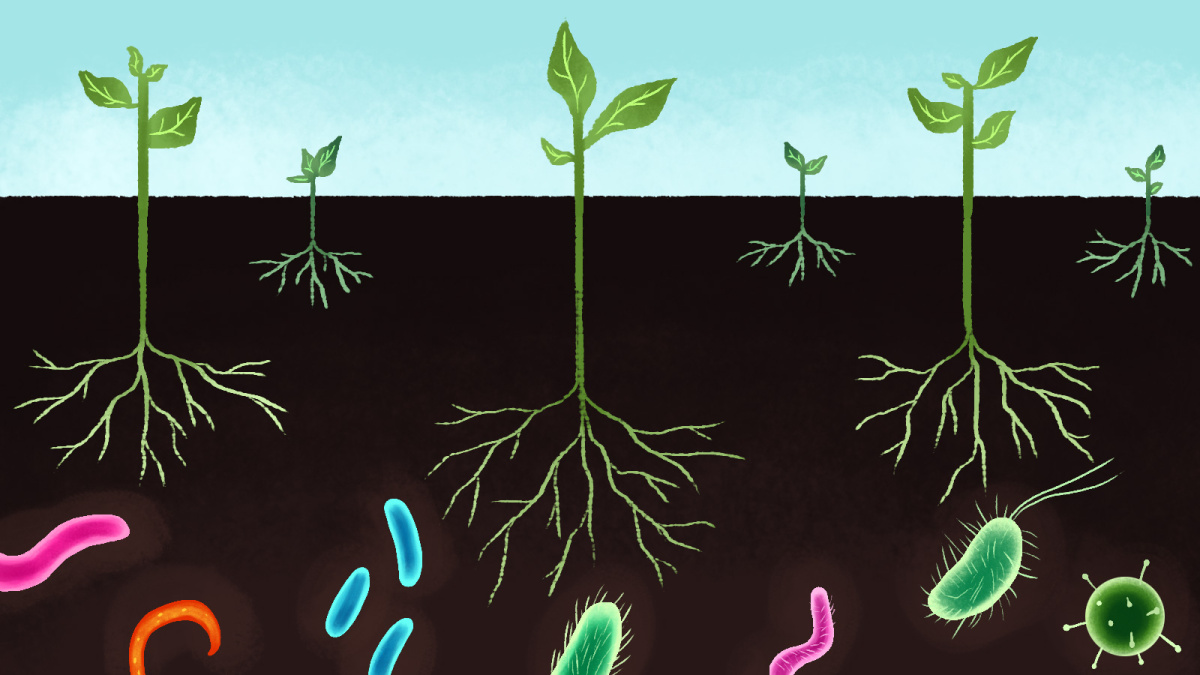
Healthy soil is the first and most important step toward achieving high productivity. Soil fertility is created by “living matter” consisting of billions of soil bacteria, microscopic fungi, and other living organisms. The greater the number and activity of beneficial microorganisms in the soil, the stronger the biological processes that support plant development, improve crop quality, and increase productivity.
In recent years, plant protection has become one of the most important issues in agricultural crop production systems. The main reason is the critical increase in pathogenic microflora in soil and seed material. In many agricultural enterprises, maintaining a healthy seed stock remains a challenge, and almost every seed batch may contain different levels of contamination by pathogenic microorganisms. This situation becomes increasingly serious when basic crop production technologies are not properly followed.
One of the key factors in managing the phytosanitary condition of agricultural fields is monitoring the composition of soil microfungi. The condition of soil microbiota forms the biological foundation of soil life for cultivated plants and ensures stable crop productivity.
The mycological composition of soil in agroecosystems depends on many factors, but it is largely determined by the previous crop. The qualitative and quantitative composition of soil microbiota influences soil suppressiveness, resistance to phytopathogens, and overall soil health.
Soil suppressiveness is an important indicator of soil health. It represents the ability of soil, through the combined effects of biological, physicochemical, and agrochemical properties, to suppress or eliminate certain phytopathogens within the soil–plant system.
Pathogenicity is the ability of a parasite to cause an infectious process through the production of metabolites. The accumulation of large amounts of plant residues in the upper soil layer significantly increases populations of microorganisms responsible for plant diseases.
Pathogenic fungi can survive in soil for many years. Their survival period depends on environmental conditions and the form in which they remain in the soil. For example, chlamydospores of Fusarium species can survive in soil for more than five years.
Several fungal species, including Ophiobolus, Gibellina, Rhizoctonia, Phomopsis, Verticillium, Rhizopus, Pythium, Alternaria, Cercosporella, and others, are capable of maintaining viability in soil for extended periods. Therefore, crop rotation alone often does not provide sufficient control of these pathogens.
Analytical studies have revealed various types of microfungi with different nutritional characteristics, distribution patterns, and development features. Representatives of imperfect fungi were mainly identified, and the wide diversity of pathogens indicates the need for integrated plant protection strategies.
The main factors contributing to disease development include poor agricultural practices, excessive dominance of cereal crops in crop rotation, shallow soil cultivation, the presence of grass-family weeds in fields, and favorable meteorological conditions. Uneven rainfall patterns and frequent drought periods can especially contribute to pathogen development.
Building healthy and productive soil is one of the fundamental conditions for obtaining high-quality agricultural products. Soil biological activity, beneficial microorganisms, and the balance between beneficial and pathogenic organisms directly influence plant growth, crop stability, and agricultural productivity.