- 10-05-2026
- 0
How to choose a chainsaw: A complete guide for beginners
Chainsaws are powerful and highly useful tools for a wide range of outdoor tasks. When used correctly and with proper safety precautions, a chainsaw can save significant time and effort when cutting thick branches, removing damaged trees, or preparing firewood.
Today, chainsaws are available in different sizes and power types, including petrol-powered, corded electric, and battery-powered models. Choosing the right chainsaw depends on the type of work you plan to do, the size of the trees and branches, how frequently you will use the tool, and your level of experience.
What Should You Consider When Choosing a Chainsaw?
Before buying a chainsaw, it is important to consider several key factors.
1. Choose the Right Power Type
Chainsaws are generally divided into three main categories:
Petrol-powered chainsaws
Corded electric chainsaws
Battery-powered chainsaws
Each type has its own advantages and is suitable for different types of work.
Petrol-Powered Chainsaws
Petrol-powered chainsaws are generally designed for demanding and heavy-duty tasks. They provide strong cutting performance and allow users to work continuously as long as there is enough fuel.
They are particularly suitable for:
Cutting large branches
Cutting down trees
Preparing large amounts of firewood
Professional forestry and landscaping work
However, petrol chainsaws are usually heavier and noisier than electric models. They also require regular maintenance, including checking the air filter, spark plug, fuel system, and engine oil.
Petrol-powered tools also produce exhaust fumes and carbon monoxide, so they should never be operated indoors or in enclosed spaces.
Corded Electric Chainsaws
Corded electric chainsaws are lightweight, easy to start, and generally more affordable than other types.
They are a good choice for:
Small gardens
Light pruning
Cutting small branches
Occasional household use
Their main disadvantage is that they need to be connected to a power outlet. This limits mobility and makes them less suitable for large gardens or remote areas.
Battery-Powered Chainsaws
Battery-powered chainsaws have become increasingly popular in recent years. Modern battery models can provide impressive cutting performance while offering the convenience of cordless operation.
They are suitable for:
Garden maintenance
Pruning branches
Cutting medium-sized branches
Occasional firewood preparation
Home and landscaping use
If you already own other battery-powered garden tools from the same brand, choosing a chainsaw from that brand can be particularly convenient because the batteries may be compatible with multiple tools.
2. Consider the Guide Bar Length
The guide bar is the long metal component that supports and guides the cutting chain.
The appropriate bar length depends on the size of the branches and trees you intend to cut.
For general home and garden use, shorter bars are often easier to control and safer for beginners. Longer bars provide greater cutting capacity but can make the chainsaw heavier and more difficult to handle.
Remember that bigger is not always better. Choosing a chainsaw that is too large for your needs can make the tool unnecessarily heavy and difficult to control.
3. Think About the Weight and Handling
Weight is an important factor, especially for beginners.
A heavier chainsaw may offer more power, but it can also cause fatigue during extended use. A lighter model is generally easier to maneuver and control, particularly when performing pruning and smaller cutting jobs.
Before purchasing a chainsaw, consider whether you can comfortably hold and control it in different cutting positions.
4. Check the Safety Features
Safety should always be one of the most important considerations when choosing a chainsaw.
Look for features such as:
Automatic chain brake
Chain catcher
Trigger lock
Hand guard
Low-kickback chain
Anti-vibration system
These features are designed to reduce the risk of accidents, but they do not replace proper training and safe operating practices.
5. Consider Your Maintenance Requirements
A chainsaw needs regular maintenance to operate safely and efficiently.
Important maintenance tasks include:
Checking chain tension
Sharpening the chain
Lubricating the chain and guide bar
Cleaning the air filter
Checking the spark plug on petrol models
Cleaning sawdust and debris
Inspecting the guide bar
Checking safety mechanisms
A properly maintained chainsaw not only lasts longer but also cuts more efficiently and reduces the risk of kickback.
Chainsaw Safety Tips for Beginners
Chainsaws can cause serious injuries if used incorrectly. Beginners should always read the manufacturer's instructions and understand the basic safety rules before operating a chainsaw.
Wear Proper Protective Equipment
Always wear appropriate protective equipment, including:
Safety helmet with face protection
Protective gloves
Hearing protection
Safety glasses
Cut-resistant chainsaw trousers or chaps
Sturdy safety footwear
Avoid loose clothing that could become caught in the equipment.
Never Use a Chainsaw Above Shoulder Height
Using a chainsaw above shoulder height significantly increases the risk of losing control.
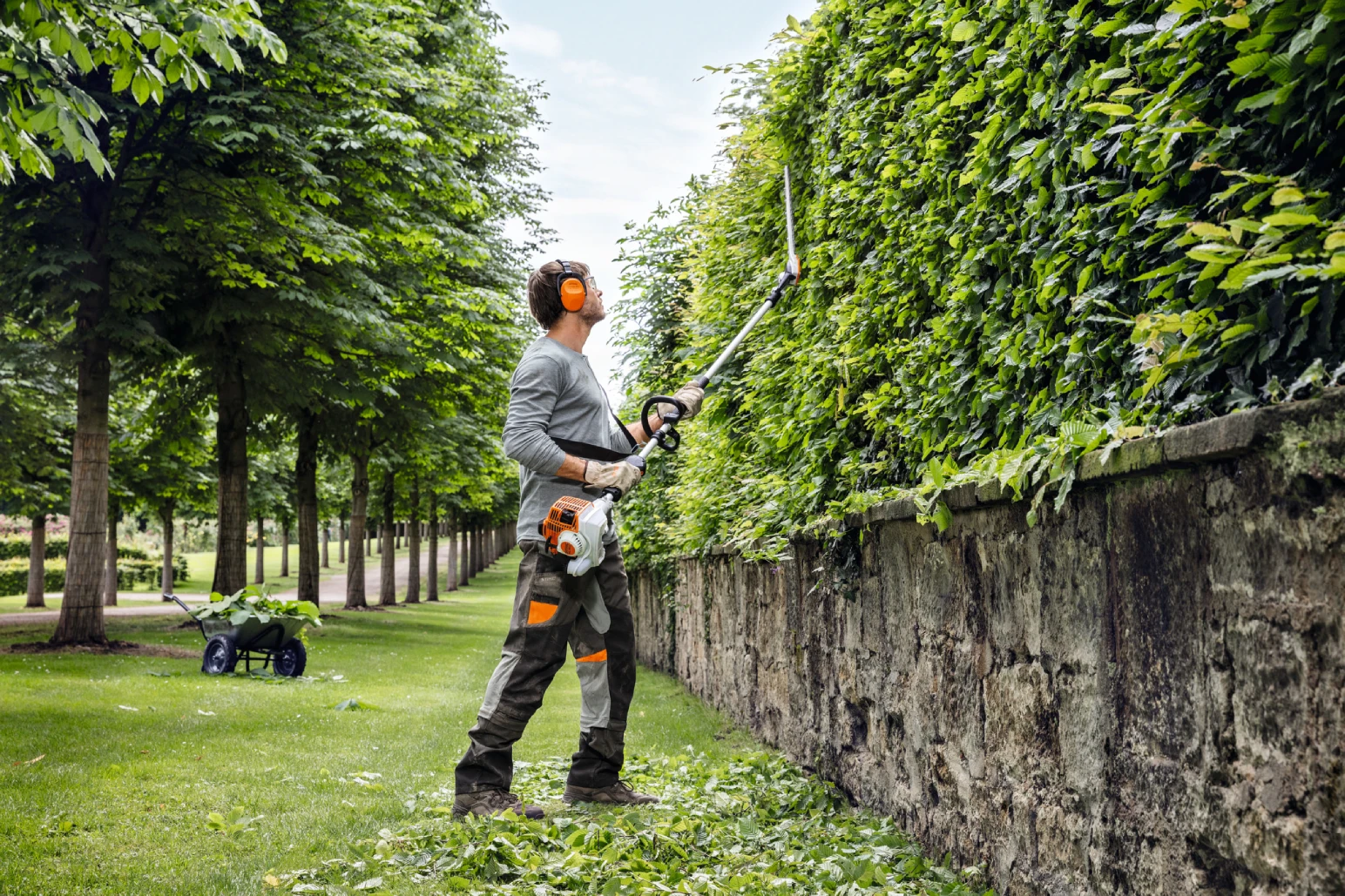
If you need to cut high branches, consider using a pole saw designed for this purpose or contact a professional.
Be Aware of Kickback
Kickback occurs when the tip of the guide bar contacts an object or becomes pinched, causing the chainsaw to move suddenly toward the operator.
Never intentionally cut with the tip of the guide bar and always maintain a firm grip with both hands.
Keep the Chain Properly Tensioned and Lubricated
A loose chain can come off the guide bar, while an overly tight chain can increase wear on the bar and motor.
Proper lubrication reduces friction and helps extend the life of both the chain and guide bar.
How to Maintain Your Chainsaw
Regular maintenance is essential for safe and efficient operation.
Clean the Chainsaw After Each Use
Remove sawdust, wood chips, and other debris from the housing, ventilation openings, guide bar, and chain area.
Sharpen the Chain Regularly
A dull chain makes cutting slower and forces the motor to work harder. It can also increase the risk of kickback.
The chain should be sharpened regularly or serviced by a qualified professional.
Check the Guide Bar
Inspect the guide bar for signs of excessive or uneven wear. Turning the bar periodically can help distribute wear more evenly.
Check the Safety Features
Before using the chainsaw, make sure the chain brake, hand guard, and trigger lock are functioning properly.
Petrol vs. Electric vs. Battery Chainsaw: Which One Is Right for You?
There is no single chainsaw that is ideal for everyone.
A petrol chainsaw is a good choice for demanding, heavy-duty work and extended operation.
A corded electric chainsaw is suitable for smaller gardens and occasional light-duty tasks where access to electricity is available.
A battery-powered chainsaw offers a convenient combination of mobility, low maintenance, and strong performance, making it an excellent choice for many homeowners and garden enthusiasts.
The best chainsaw is ultimately the one that matches your specific needs, experience level, working conditions, and the type of cutting you plan to do.
Final Thoughts
Choosing the right chainsaw is not simply about selecting the most powerful or largest model. The ideal chainsaw should be comfortable to handle, appropriate for the size of the work, equipped with essential safety features, and easy to maintain.
For beginners, a lightweight and easy-to-control model is often the best starting point. For more demanding jobs, a powerful petrol or high-performance battery chainsaw may be more appropriate.